
trusted-real-estate-photography-reviews-brisbane-find-property-photographers-you-can-trust

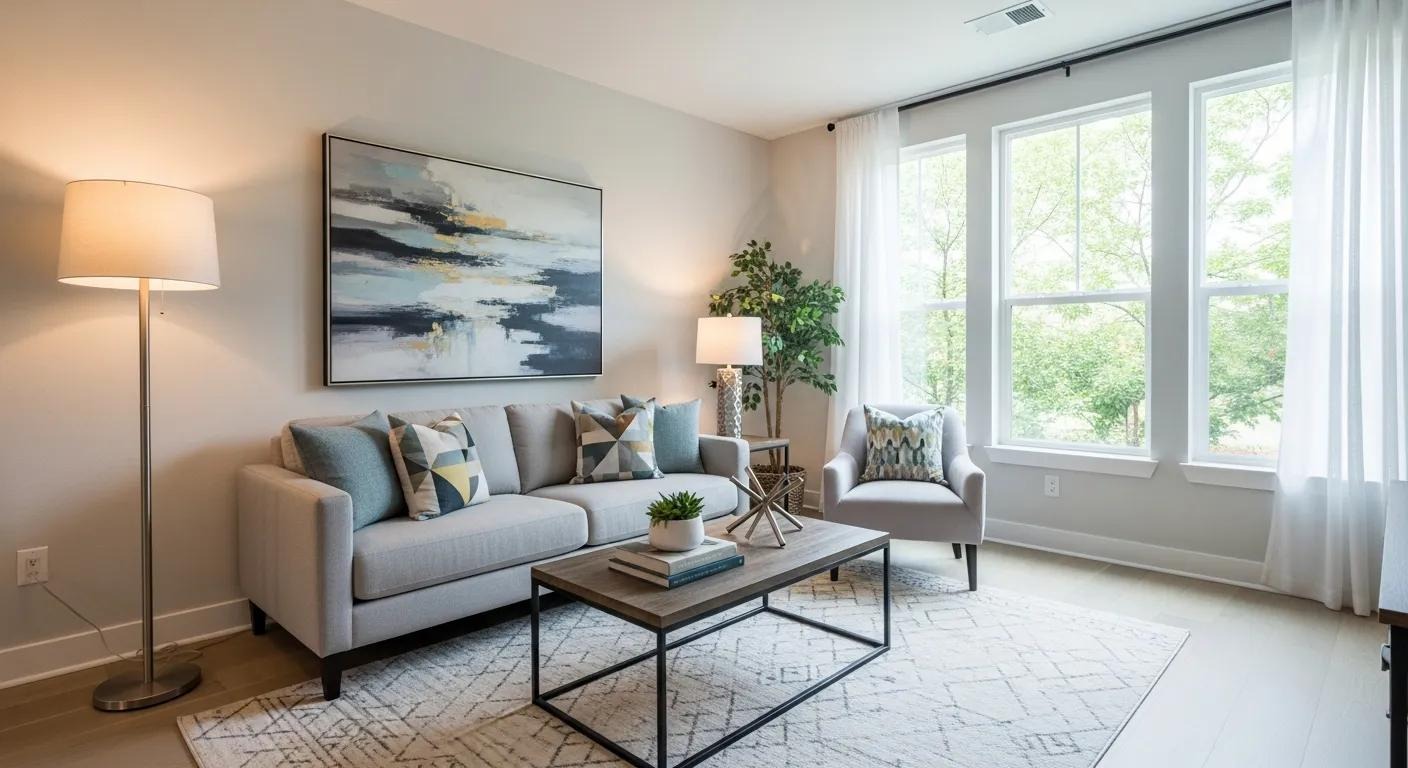
Great property photography changes how buyers see a home. This guide explains why verified reviews matter in Brisbane’s market and how to use them to pick the right photographer. You’ll learn which selection criteria matter most, what makes a photographer dependable, and what customers really say about local pros. By the end, you’ll be able to choose a photographer who enhances listings and boosts buyer interest.
Research shows visual content often reveals more about a property's condition than written descriptions alone.
Photos & Quality Signals in Real Estate Listings
The study compares sellers’ stated housing quality with the impressions given by listing photos and finds a consistent mismatch. When full details about a property are missing, photos can create gaps between a listing’s verbal claims and visual signals.
Quality information gaps in housing listings: Do words mean the same as pictures?, M Hebdzyński, 2023
Client feedback is a major driver of reputation in real estate photography. Trustworthy reviews reflect consistent image quality, professionalism, and customer service — all factors that lead to repeat work and referrals. In a competitive Brisbane market, strong reviews can directly affect a photographer’s bookings and the performance of your listing.
Beyond bookings, reviews help you anticipate the working relationship: how a photographer communicates, whether they arrive prepared, and how they handle unexpected issues on shoot day. Reading several verified reviews gives a more reliable picture than a single rating, especially when multiple clients report the same strengths or weaknesses.
Use a few clear criteria to find the photographer who fits your property and marketing goals.
Photographers experienced in property shoots know how to frame rooms, manage light and compose images that sell. Specialists in real estate understand the buying audience and deliver images that drive engagement and viewings. When comparing candidates, look for mention of similar property types in their work history — experience with apartments, heritage homes or luxury listings often shows in the way spaces are presented and prioritised.
Review portfolios for consistent exposure, composition and style. Look for work that matches your listing’s target audience — whether that’s high-end homes, apartments, or investment properties. A portfolio aligned with your goals is the best predictor of results. Pay attention to how the photographer handles common challenges such as narrow rooms, mixed lighting or outdoor-to-indoor transitions; consistently good handling of these scenarios is a positive signal.
Read reviews for patterns: punctuality, communication, and how images performed on market. Testimonials that mention speed, reliability and tangible listing outcomes are particularly useful when evaluating a photographer. Also note whether reviewers comment on practical add-ons such as staging advice, extra retouching or coordination with agents — these services can materially affect listing performance and value for money.
Reliability comes from a mix of experience, local market knowledge and a proven portfolio. Reliable photographers anticipate challenges on shoot day, communicate clearly and deliver consistent edited images on time — all of which matter when you’re preparing a marketing campaign.
Practical indicators of reliability include: clear booking and cancellation policies, a documented delivery timeline, evidence of backup equipment or contingency plans, and transparent licensing/usage terms. Insurance and professional conduct (polite, punctual, respectful of property) are also commonly mentioned in positive reviews and help reduce the risk of last-minute problems.
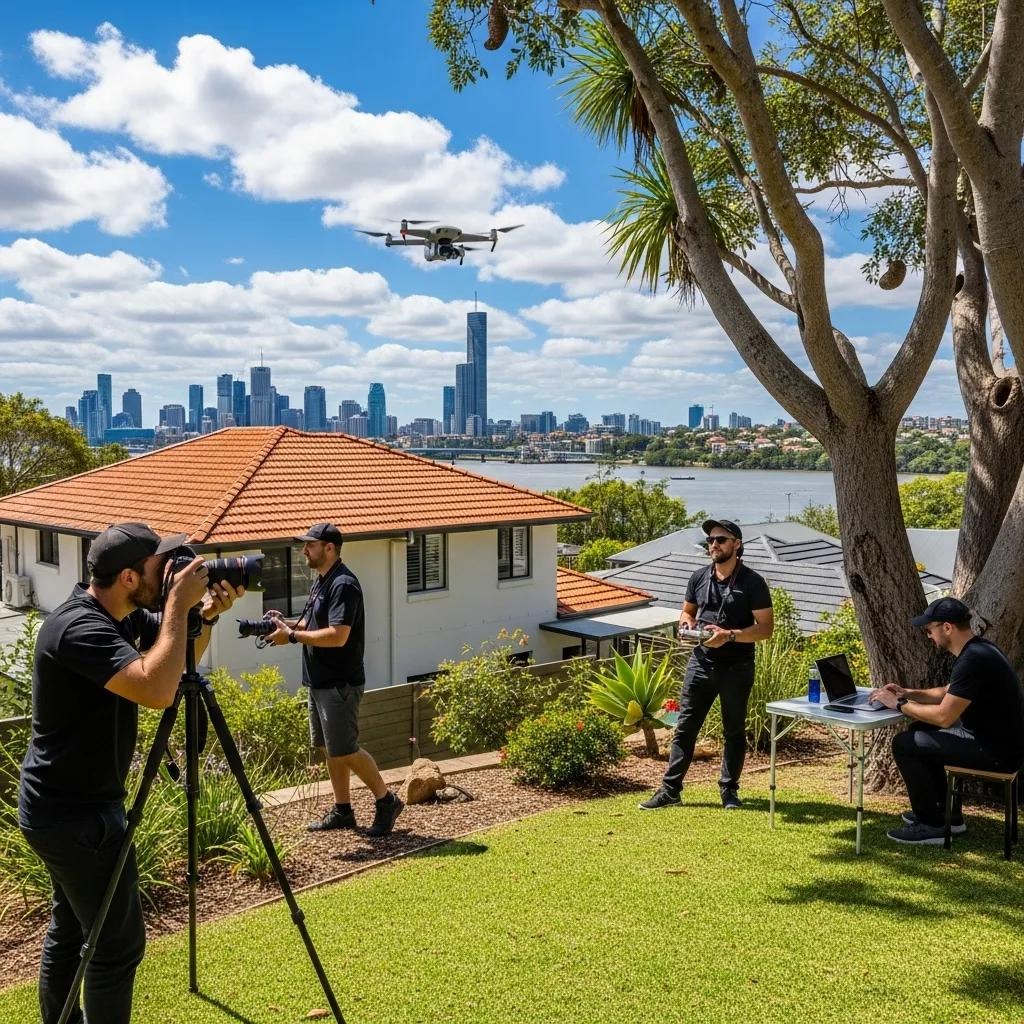
Brisbane has a strong pool of photography professionals offering services from interior and exterior shoots to drone imagery and virtual tours. Top-rated photographers earn their status through repeat client satisfaction, consistent image quality and the ability to offer specialized services when needed.
Top-rated status is often supported by a pattern of client feedback that emphasises reliability, clear communication, high-quality deliverables and a consistent editing style. When shortlisting, cross-check portfolios with recent reviews to confirm the photographer still produces the style you want and maintains current equipment and workflows.
Verified reviews highlight practical strengths: attention to detail, staging guidance, effective photo edits and responsiveness. They also show how images perform in market — whether they attract more enquiries or speed up sales — giving you a clearer picture of expected outcomes.
Good reviews often describe specific interactions that were valued: quick turnaround after the shoot, flexible rescheduling, useful in-scene styling tips, and follow-up support for re-licensing or extra edits. Negative reviews frequently cite missed deadlines or unclear usage terms, which are useful warnings when comparing providers.
Higher-rated photographers tend to produce images that attract more clicks and enquiries. Professional photos can shorten time on market and, in many cases, improve sale price — so choosing a well-reviewed photographer is an investment in your marketing results.
Look beyond the overall star rating and read descriptions that link photography to measurable outcomes: did the agent report increased web views, more inspections, or faster offers? Reviews that connect images to these concrete listing outcomes are particularly valuable for setting expectations.
Services range from standard interior and exterior photography to aerial drone imagery, twilight shoots, and immersive virtual tours. Each option adds different value: aerial shots show context and land, while virtual tours let buyers explore a property remotely.
Other common services include detailed floorplan imaging, high-resolution feature shots for marketing materials, and staged-set photography where minor styling or furniture arrangement is suggested to improve visual flow. Discuss which services suit your property type and sales objectives so the photographer can propose the most effective package.
Photography packages vary by service mix. Entry-level packages usually include basic interior/exterior images; mid and premium tiers add drone shots, twilight sessions or virtual tours. Understanding what each package delivers helps you choose the best value for your budget.
When evaluating packages check: the number of edited images provided, whether raw files are available, licensing and usage duration, whether fees for travel or parking are included, and whether extra retouching is charged separately. A clear package comparison prevents surprise costs and helps you pick a package that balances cost and impact.
Drone shots give buyers a sense of location and property scale, while virtual tours create an interactive inspection experience. Together, these formats increase engagement, help buyers visualise a property and can speed decision-making.
Drone imagery is particularly useful for larger lots, properties with distinct outdoor features, or developments where surrounding amenities influence buyer decisions. Virtual tours help remote buyers screen properties before booking a viewing and can reduce time spent on low-interest inspections by showing layout and flow clearly.
Compare photographers by looking at three core areas:
These checks make it easier to choose a photographer who meets your needs. As part of comparison, request a short sample brief and see how each photographer responds: the quality of pre-shoot questions and proposed shot lists often reveals professionalism and attention to marketing goals.
When reviewing ratings, focus on experience, portfolio relevance and detailed client feedback. Look for reviews that describe outcomes — faster sales, higher interest or smooth scheduling — to assess expected service quality.
Also watch for red flags in reviews: repeated complaints about missed deadlines, inconsistent editing, or surprise fees. Positive signs include reviewers who return for repeat work, comments about helpful staging advice, and follow-up support after delivery. Verified platforms and reviews that include photos or before/after examples are particularly trustworthy.
Trusted sources include specialist real estate service sites, industry directories and local studio pages. These platforms often compile verified reviews and side-by-side comparisons that make it easier to shortlist photographers.
Supplement comparison guides with direct checks on a photographer’s own site and social profiles to view recent work and client comments. Where possible, ask local agents or recent sellers for referrals — firsthand recommendations from people working in your neighbourhood are often the most practical.
Testimonials offer real-world evidence of a photographer’s consistency and professionalism. They build confidence and help you decide between similar providers by highlighting strengths like speed, creativity or post-production quality.
Look for testimonials that provide context (property type, timeframe and specific improvements) rather than general praise. Detailed testimonials that describe how the images were used in the marketing campaign — for brochures, listings or social ads — give clearer insight into practical results.
Client stories reveal operational strengths — punctuality, staging advice, and responsiveness — as well as the visual impact of the final images. Together, these factors indicate whether a photographer will meet your expectations.
Consider contacting a past client if a photographer’s work or reviews are especially important to your decision. A short conversation can confirm delivery times, how the photographer handles changes, and whether any additional costs arose after the job.
Video testimonials and before-and-after galleries show the photographer’s process and the tangible improvement their work produces. They’re powerful trust signals when deciding who to hire.
Video testimonials often reveal how a photographer works on site and interact with clients and agents, while before-and-after galleries highlight the effect of staging and retouching. These assets let you evaluate both technical skill and the photographer’s eye for creating compelling listing images.
Most photographers provide quotes after an initial brief. Pricing depends on services requested, property size and turnaround time. Confirm delivery timelines and any extra fees so you can plan your marketing schedule around the final images.
When requesting quotes, provide a concise brief including property size, any special features (pool, rooftop, unique landscaping), preferred shoot date windows, and whether you need twilight or drone shots. Clear briefs reduce back-and-forth and help photographers give accurate, comparable quotes.
Pricing often breaks down by package: basic photography, plus add-ons such as drone imagery or virtual tours. Check the number of edited images, licensing terms and any retouching included to compare value accurately.
Ask whether the quoted price includes travel, parking, extra edits after delivery, or rush fees for faster turnaround. Clarifying these items before booking prevents disputes and helps you compare offers on an apples-to-apples basis.
Make booking easier by following these steps:
Clear communication up front reduces surprises and speeds the process.
Additionally, confirm payment terms, cancellation policy and whether a deposit is required. Request a simple written confirmation that lists the agreed services, delivery date and image licensing to avoid misunderstandings on the day of the shoot or during delivery.
Local pros use high-resolution imaging, HDR processing, drone photography and virtual tour software to create engaging listings. These techniques help properties stand out and better represent their condition and layout.
Photographers also use panoramic stitching for wide living spaces, careful focus stacking for crisp interior detail, and selective retouching to correct common issues such as glare or minor blemishes. Discuss which techniques the photographer uses for consistency of look across your campaign.
Drone photography adds context—showing lot size, nearby amenities and neighbourhood features. Those perspectives help buyers quickly understand a property’s setting and can make listings more compelling.
If drone imagery is important for your listing, confirm the photographer’s experience with aerial composition and whether they handle permits and safety checks. A photographer who integrates drone shots thoughtfully with interior images creates a more cohesive marketing package.
Virtual tours let buyers explore a property on their own time and can filter out low-interest viewers, saving time for agents and sellers. They boost listing engagement and can speed up serious buyer enquiries.
For sellers, virtual tours reduce the number of physical inspections by letting serious buyers pre-screen properties. For buyers, they clarify layout and flow, helping identify whether a property truly meets their spatial needs before attending an in-person viewing.
Pick a photographer whose experience, portfolio and reviews match your property type and marketing goals. Confirm services, turnaround and deliverables before booking so there are no surprises.
Arrange a short pre-shoot call to align on priorities, shot angles and any staging that may be needed. Clear direction up front improves the quality of the final images and reduces the need for extensive post-production edits.
Ask these practical questions to verify professionalism and fit:
The answers will help you assess reliability and compatibility.
Follow up on answers with requests for sample galleries that match your property type and confirm any additional fees related to rush delivery or extended licensing. A photographer who provides clear answers and examples is usually easier to work with on tight marketing schedules.
Use reviews and ratings to confirm consistency and service quality. Look for specific feedback about responsiveness, image impact and whether the photographer met deadlines — these details matter more than a single star rating.
Balance recent reviews with older ones to detect whether quality has been sustained over time. Where possible, prefer platforms that verify the reviewer’s engagement with the service to reduce the likelihood of biased or fake feedback.
Check specialist review platforms, local business listings and photography studio pages for verified reviews. Cross-reference multiple sources for a fuller picture of a photographer’s reputation.
Local agent forums or industry groups can also point you to photographers who work frequently in your area and understand local buyers. When in doubt, ask for references and follow up with a quick call to confirm recent experiences.
Reputable review sites and industry directories often include verified client comments and ratings. Social media pages and business profiles can also provide helpful, up-to-date insights into a photographer’s work and service.
Use a mix of platform review summaries and direct portfolio inspection to form a rounded view. Verified platforms that link reviews to completed bookings are most useful when you need reliable client feedback.
Structured review data (schema) helps photographers appear with ratings in search results, increasing credibility and click-through rates. For buyers, visible review snippets make it easier to find well-regarded local professionals.
From an SEO perspective, visible and structured reviews make local providers more discoverable; from a buyer’s perspective, they reduce search friction and support faster shortlisting decisions. When comparing photographers, note which providers surface review snippets in search results as this often correlates with consistent, public feedback.
To explore professional real estate photography services, consider visiting AND Photography — Brisbane real estate specialists.
Focus on consistency in lighting, composition and editing. Look for examples that match your property type and marketing aims. Strong portfolios highlight how a photographer handles space, detail and atmosphere to attract buyers.
Also check for recent work that reflects current trends in listing presentation and for samples that show how the photographer manages difficult lighting conditions or unusual room shapes.
Communicate your shoot date, scope and deliverables up front. Confirm availability, turnaround time and any deposit or contract requirements. Clear expectations and a written agreement make the process predictable and efficient.
Provide a concise shot list and any access details ahead of time. If staging is required, agree which party provides styling or props and whether additional time will be scheduled for that work.
Drone images reveal property layout, land size and nearby amenities that ground shots can’t capture. They provide context and visual interest that help listings stand out and attract more clicks.
Well-composed aerial images pair best with ground-level interior shots to create a full sense of place. Ask potential photographers how they integrate drone images into the full listing package and whether they handle any required safety checks.
Virtual tours let buyers explore properties remotely, increasing engagement and filtering genuinely interested viewers. They enhance listings, save time on viewings and can help properties sell faster.
Virtual tours also support international or interstate buyers by giving a reliable sense of layout and space, helping to qualify interest before an inspection is scheduled.
Compare included services (number of photos, drone shots, virtual tours), editing level and licensing terms. Look at portfolio examples tied to each package to assess real value for your budget.
Also confirm whether the package includes travel or parking fees, extra retouching limits, and clear rights for online and print use. These details are often the deciding factor between similar package prices.
Prefer reviews on specialised or verified platforms. Look for detailed testimonials that describe specific experiences and outcomes. A larger volume of consistent, specific feedback is more reliable than a single glowing review.
Verified platforms, reviews with photos, and repeat client comments are stronger indicators than anonymous or generic praise. When in doubt, request references from the photographer and follow up with a brief call.
Before-and-after galleries demonstrate a photographer’s editing and staging impact. They show how much value the photographer can add through composition and post-production — a useful indicator of their skill.
Use these galleries to judge editing quality and to see whether the photographer’s post-production style matches the natural or stylised look you prefer for your listing.