
master-real-estate-photography-lighting-techniques-for-stunning-listings
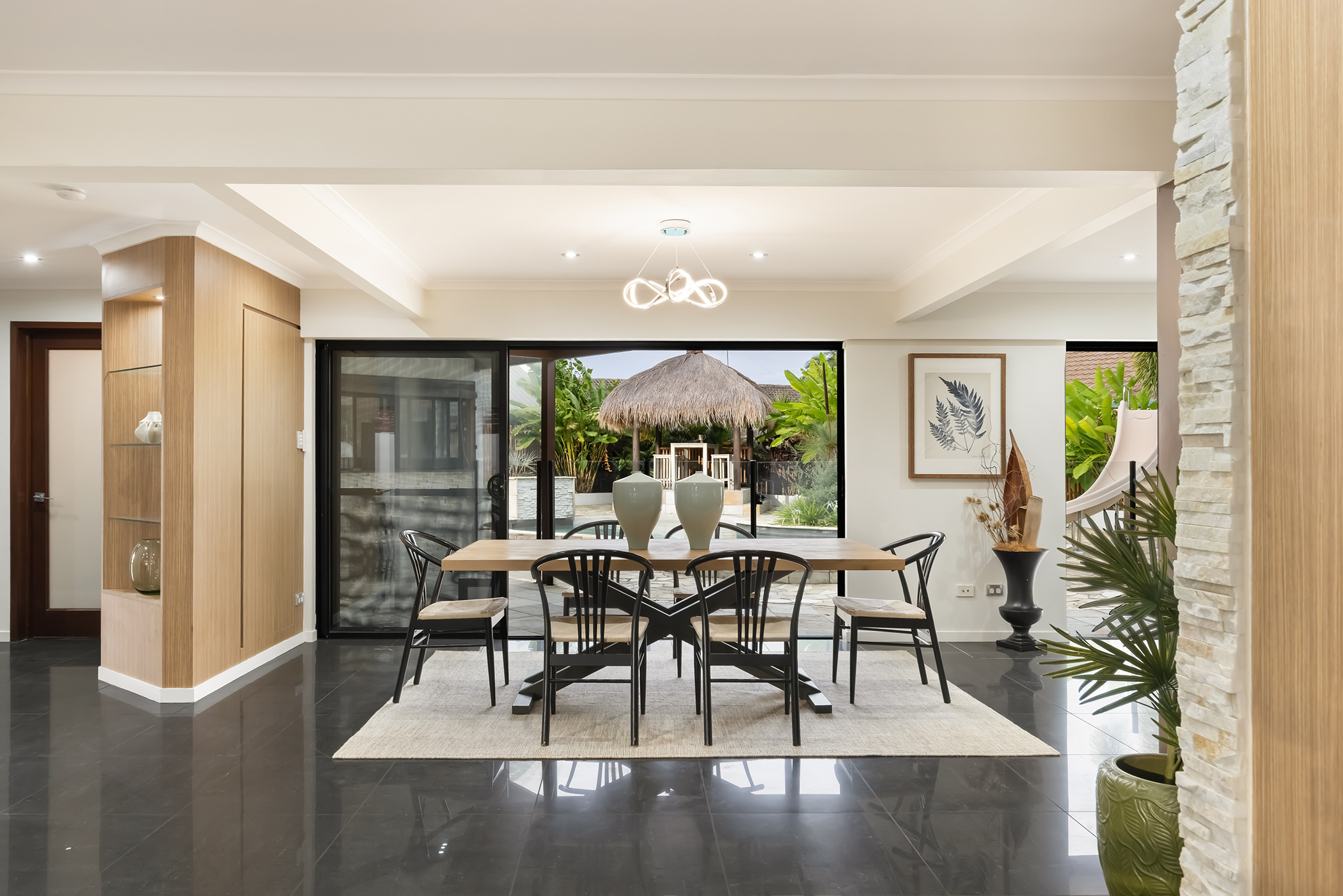
Effective lighting is crucial in real estate photography, as it can significantly enhance a property's appeal. Mastering lighting techniques not only showcases a home's best features but also creates an inviting atmosphere for potential buyers. This article will delve into various lighting techniques, including natural light, artificial lighting setups, and advanced methods such as HDR and twilight photography. By understanding these techniques, photographers can elevate their listings and attract more interest.
In this guide, we will explore the importance of natural light, the types of artificial lighting equipment available, advanced techniques for capturing stunning images, and specific lighting strategies for real estate videography. Additionally, we will provide case studies and examples to illustrate the effectiveness of these techniques. Whether you are a seasoned photographer or just starting, this article will equip you with the knowledge to create stunning real estate images.
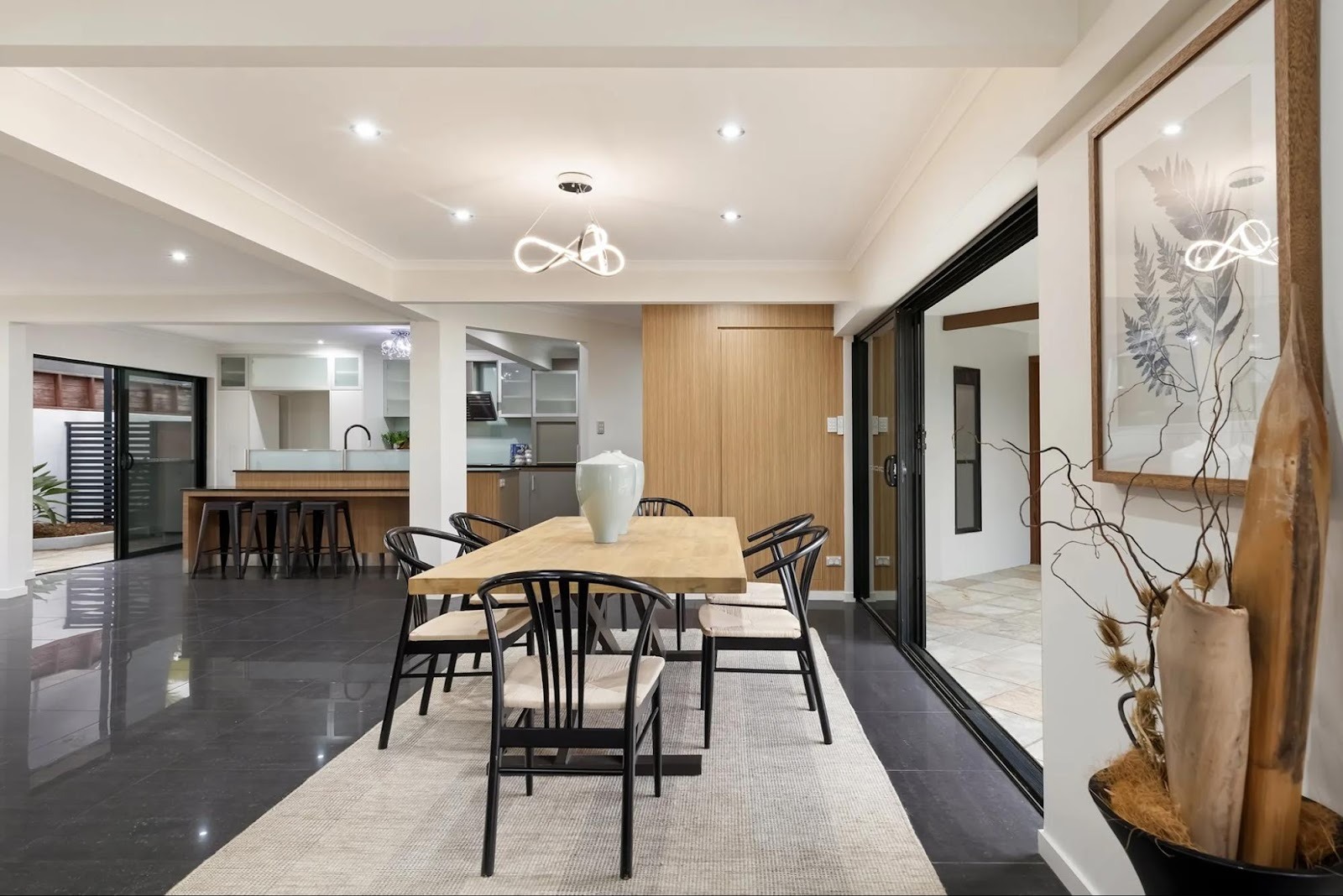
Natural light is a powerful tool in real estate photography, as it can create a warm and inviting atmosphere. Utilising natural light effectively involves understanding the best times of day to shoot, managing window light, and enhancing the natural ambience of a space. The golden hour, shortly after sunrise and before sunset, provides soft, diffused light that can make interiors look more appealing.
To maximise the benefits of natural light, photographers should consider the following:
For those looking to elevate their real estate photography, professional services can provide expert guidance on utilising natural light effectively.
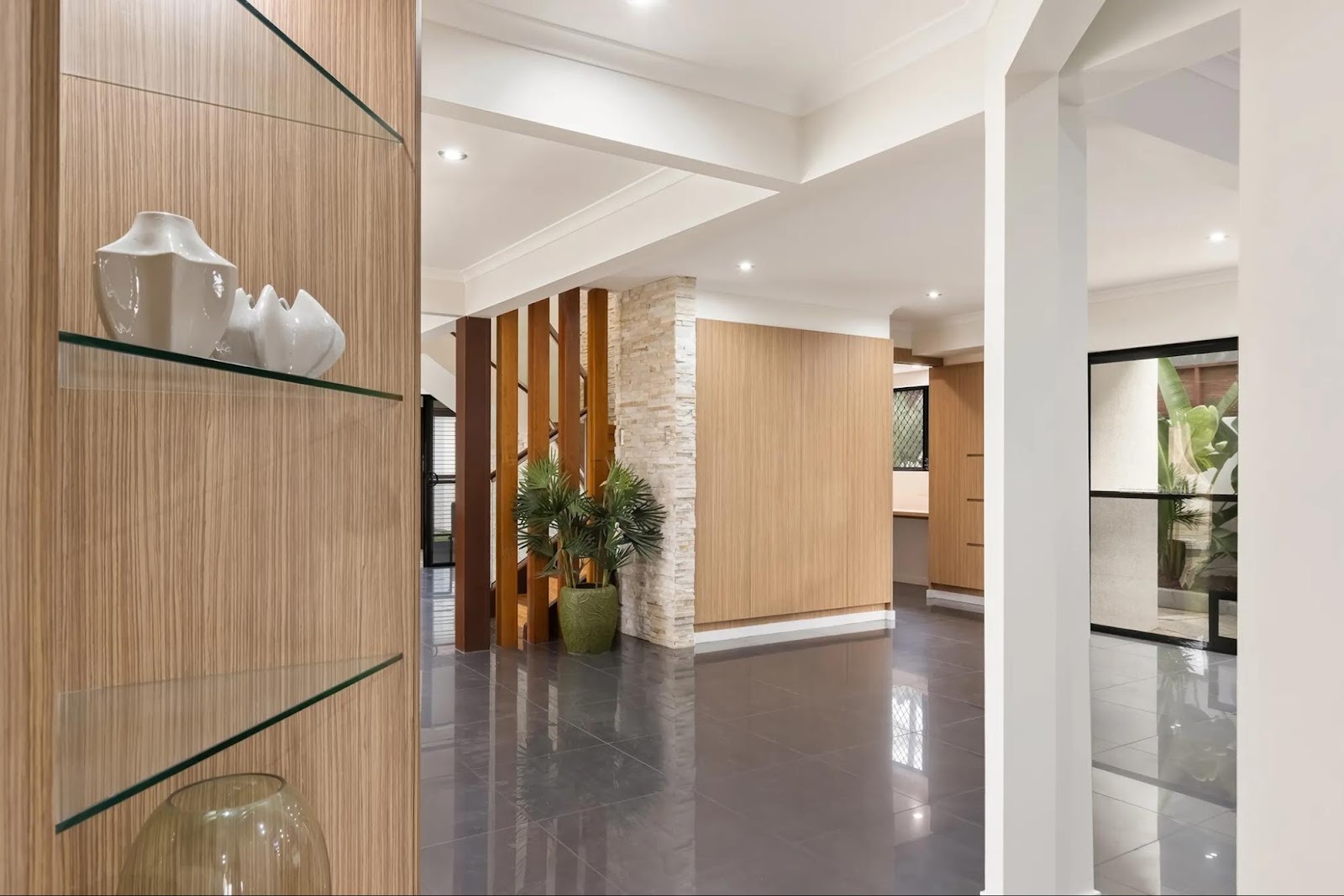
Artificial lighting is essential for real estate photography, especially in spaces with limited natural light. Understanding the different types of artificial lighting equipment and how to set them up can significantly improve the quality of your images. Common types of artificial lighting include softbox lighting, LED panels, and speedlights.
Here are some key considerations for using artificial lighting:
Equipment Type
Description
Best Use
Softbox Lighting
Provides soft, diffused light
Ideal for interior shots
LED Panels
Portable and adjustable
Great for on-the-go shoots
Speedlights
Versatile and powerful
Useful for filling in shadows
This table illustrates the various types of lighting equipment and their applications in real estate photography. By selecting the right tools, photographers can achieve stunning results.
Advanced lighting techniques such as High Dynamic Range (HDR) imaging and twilight photography can take real estate photography to the next level. HDR involves capturing multiple exposures of the same scene and blending them to create a single image with enhanced detail in both highlights and shadows. This technique is particularly useful in high-contrast environments.
Twilight photography, on the other hand, captures properties during the blue hour, just after sunset. This method highlights the warm glow of interior lights against the cool evening sky, creating a captivating image.
Lighting is equally important in real estate videography, where it can enhance the storytelling aspect of a property tour. Proper lighting techniques can help create a cinematic feel, making the video more engaging for viewers.
Key considerations for lighting in videography include:
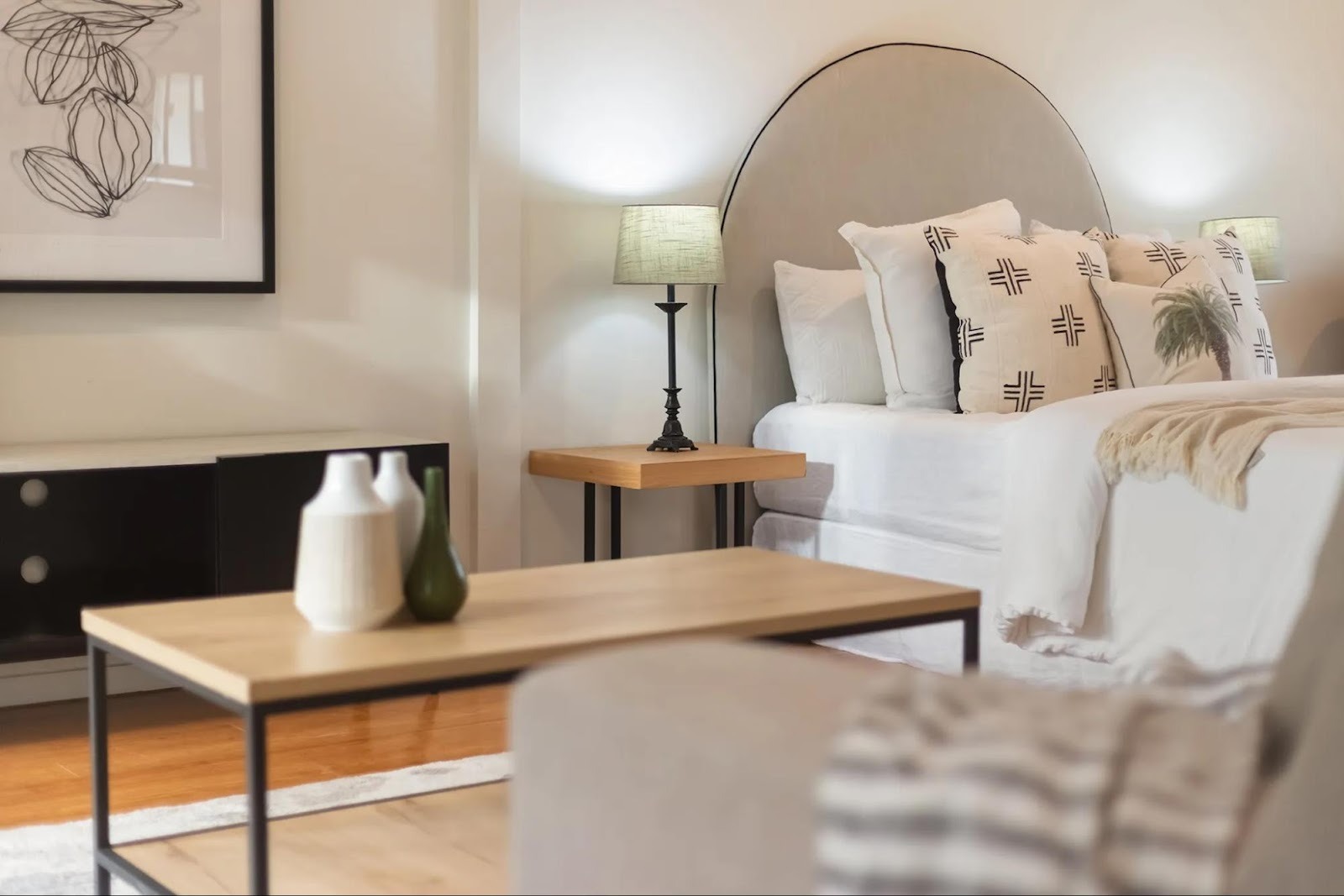
Examining successful examples of real estate photography can provide valuable insights into effective lighting techniques. Case studies often showcase before-and-after comparisons, demonstrating the impact of proper lighting on property appeal.
By mastering these lighting techniques, photographers can significantly enhance their real estate listings, making them more appealing to potential buyers. Whether through natural light, artificial setups, or advanced techniques, effective lighting is key to showcasing properties at their best. For more insights, consider visiting AND Potography to explore their portfolio and services.