
is-professional-real-estate-photography-worth-it-compared-to-diy

By Andrey Orekhov, AND Photography
In today’s competitive real estate market, showcasing properties effectively is crucial for attracting potential buyers. Many sellers grapple with the decision to hire professional real estate photographers or to handle the photography themselves. This article explores the advantages and disadvantages of professional photography versus DIY approaches, highlighting key factors to help sellers make informed choices. In particular, we will examine why professional real estate photography tends to drive higher sale prices, the costs involved in hiring experts, challenges faced by DIY photographers, and emerging technologies that are changing the landscape of real estate visuals. By understanding these aspects, sellers can better navigate their real estate marketing strategies and leverage quality images to enhance property appeal.
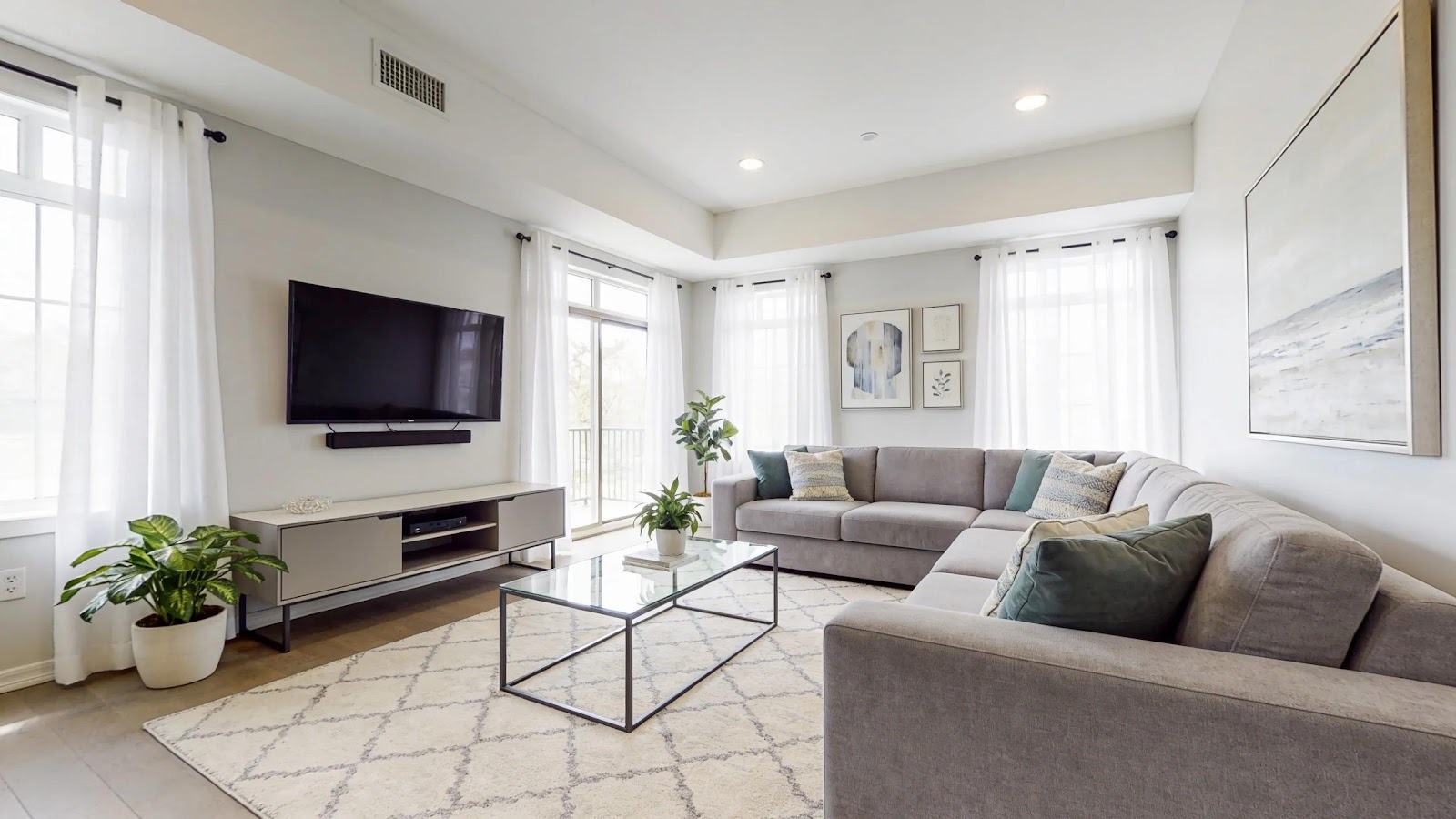
Professional real estate photography significantly enhances the visual appeal of property listings, which can lead to higher sale prices. Research has shown that properties with high-quality images generate more interest and emotional connections with potential buyers. This connection is crucial, as first impressions are often formed through visuals. Important statistical evidence indicates that homes listed with professional photographs sell for an average of $11,200 more than those with conventional photos. This demonstrates a clear link between the quality of photography and the perceived value of a property.
There are several styles of photography that can elevate the appearance of property listings. High-quality imagery is essential in attracting potential buyers, so incorporating various techniques can enhance visual storytelling:
Effective editing is equally important, as it can refine images through color correction, cropping, and aesthetic enhancements that keep the focus on the property’s best features. High-quality images generated through these photography styles can have a lasting impact on buyer interest.
While hiring a professional photographer entails upfront costs, understanding the investment versus the potential return is important. The average cost of professional real estate photography ranges from $150 to $500, depending on location and the complexity of the shoot. When weighed against the potential increase in sale price, this cost may represent a sound investment. For example, properties that utilize professional images can sell up to 32% faster than those that do not invest in quality photography. Understanding the nuances of real estate photography pricing can help sellers make informed decisions about their marketing budget.
Evaluating the costs associated with DIY photography is also essential. While DIY may initially seem cost-effective, poor-quality images can result in extended market time and diminished sale prices, highlighting the importance of quality and expertise.
When assessing the return on investment (ROI) of hiring professional photographers, several factors come into play. Although the initial cost may seem considerable, the long-term benefits often outweigh these expenses. For instance, listings equipped with professional imagery are known to receive significantly more online views, which can lead to increased offers and a potential bidding war. Statistics reveal that properties marketed with professional photos typically close faster and with better prices, illustrating the importance of high-quality imagery in real estate transactions. For professional services and packages, exploring options from And Photography can provide valuable insights into industry standards and offerings.
For those considering taking photos themselves, several challenges may arise. DIY photographers often lack the technical skill and knowledge of photography principles required for capturing high-quality images. Additionally, equipment limitations can impact the outcome; not all smartphones or consumer cameras produce the sharpness and clarity needed for appealing real estate shots. Common pitfalls include improper lighting, unflattering angles, and poorly staged interiors, which can detract from the property’s best features and create a lackluster presentation.
DIY photographers can take specific steps to enhance the quality of their images. Some effective strategies include:
These improvements can help mitigate some of the challenges faced while making DIY photography a viable option for property sellers.
The staging and editing of photos play a vital role in shaping buyer perceptions of properties. First impressions are largely driven by visual presentations, and buyers often make judgments based on the quality of images before deciding to view the property in person. Effective editing enhances the appeal of photographs and allows for the accurate representation of property features. By employing thoughtful staging and strategic photo editing, sellers can invoke heightened interest and motivation among prospective buyers.
Emerging technologies such as drone photography are revolutionizing the way properties are presented in the real estate market. Drones offer unique vantage points that can capture expansive views of the property and its surrounding area, showcasing features that may not be easily visible from the ground. This innovative approach adds depth to property listings and aids in attracting more buyers. However, it is critical to consider regulations and guidelines when utilizing drone technology to ensure compliance and safety.
Integrating new technologies into real estate photography can amplify listing visibility and impact. Here are strategies to optimize the use of cutting-edge photography techniques:
Employing these strategies can distinguish properties in the crowded real estate market.
Current market data supports the assertion that high-quality photography significantly enhances property appeal. Case studies have demonstrated that homes listed with professional photographs generate a higher volume of inquiries compared to those with average images. Statistics also reveal that listings with professional photos lead to faster sales and often close at higher prices. By providing compelling visual content, sellers can stand out in competitive markets, substantiating the investment in professional photography.
Sellers and agents often have several common inquiries regarding real estate photography:
Addressing these questions is vital for sellers considering their options for property marketing.
The investment in professional real estate photography varies based on location, the complexity of the services, and the photographer's expertise. Generally, prices range from $150 to $500. Different factors may influence these costs, including the size of the property and the desired photographic styles. Understanding these variations helps set realistic expectations regarding selling costs while emphasizing the value professional imagery can add.
When deciding between DIY photography or hiring professionals, real estate professionals should evaluate their goals and resources. Key considerations include:
By weighing these factors, real estate professionals can determine the most effective approach to property photography.
Professional photography offers distinct advantages when specific conditions are met. Homes that are unique in their architecture or located in sought-after neighborhoods benefit greatly from professional images that showcase their standout features. Additionally, during peak selling seasons, the competitive market necessitates high-quality visuals to attract discerning buyers. In such cases where presentation significantly impacts sale outcomes, hiring a professional photographer can yield invaluable returns.
Weighing the options between DIY photography and professional services is critical for those looking to enhance their property’s marketability.