
hospitality-photography-packages-and-usage-rights-a-practical-guide-to-hotel-photography-pricing-and-licensing
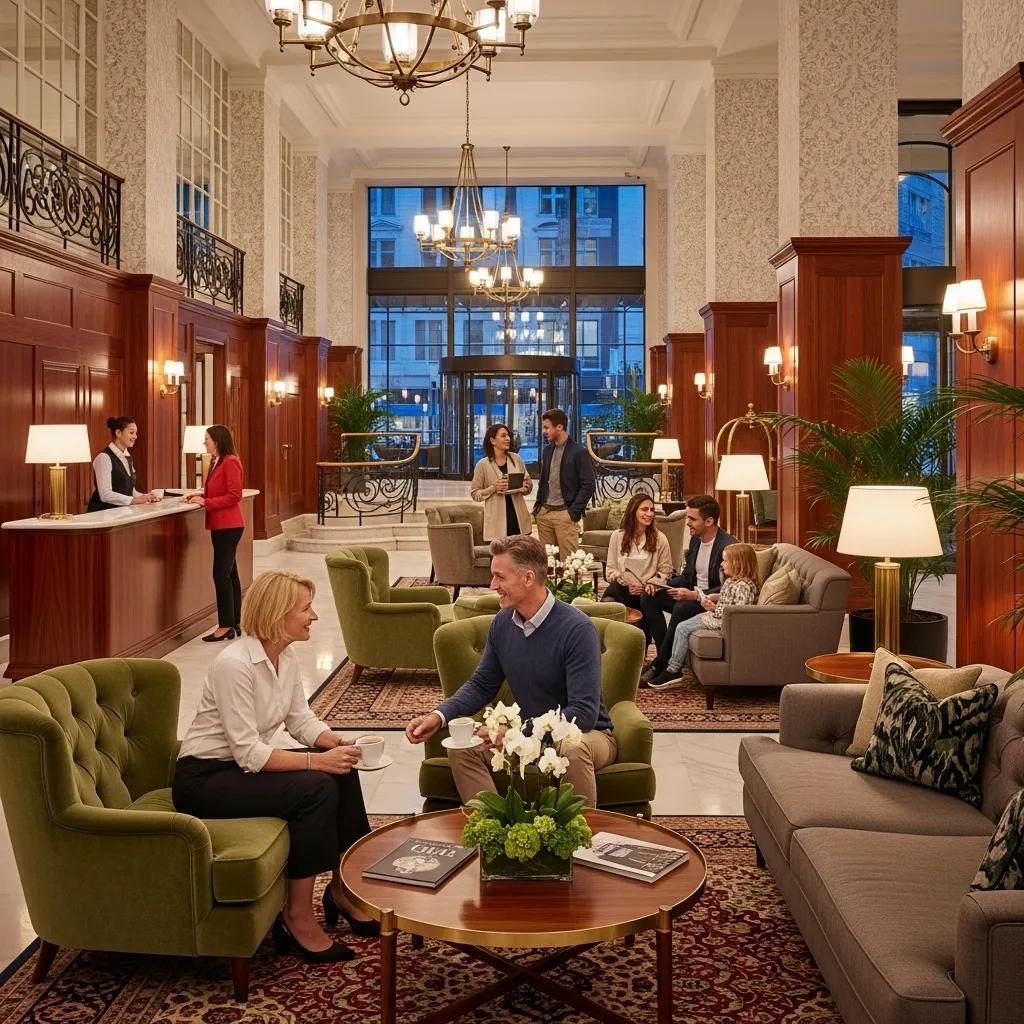
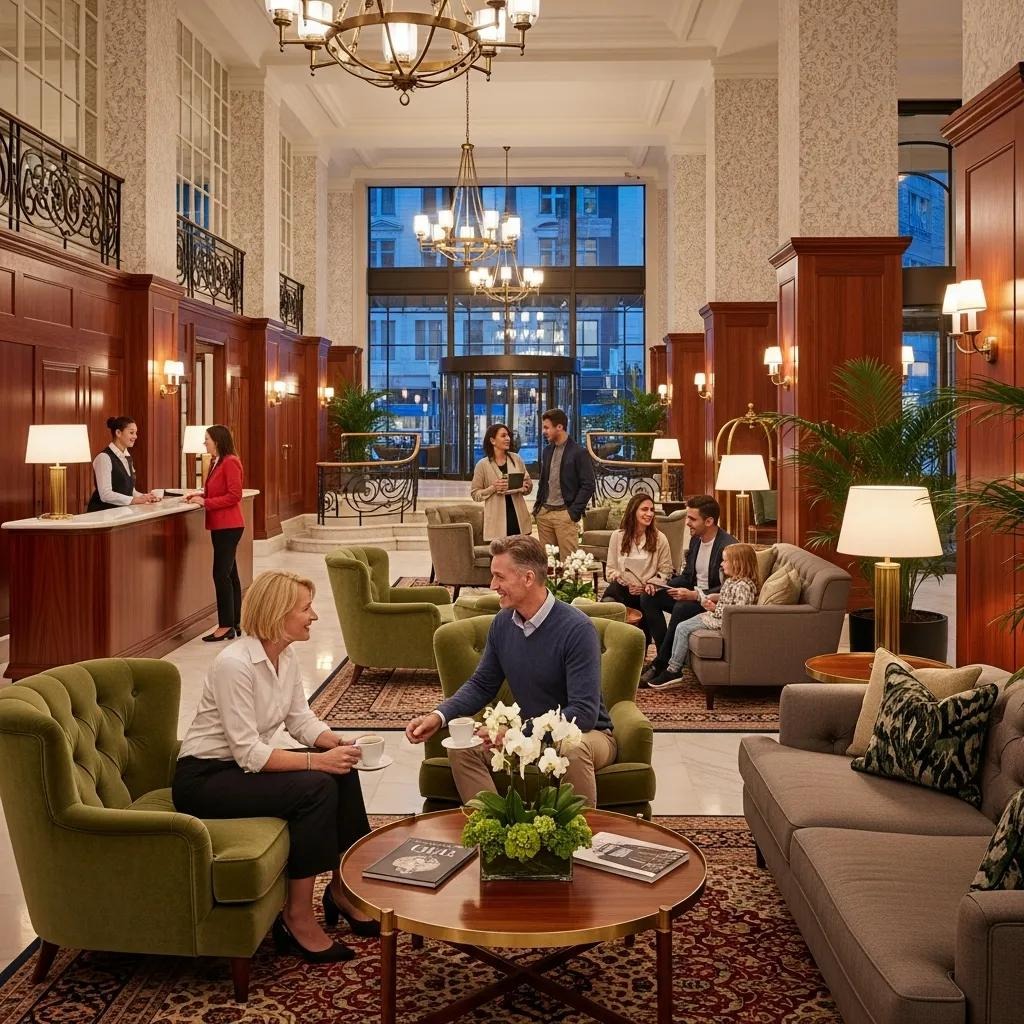
Strong visuals drive bookings. Hospitality photography packages give hotels and restaurants tailored imagery that expresses their brand and helps convert browsers into guests. This guide breaks down what those packages include, how pricing typically works, and the usage rights you need to know — so owners and marketers can get the most from professional photography investments.
Clear, appealing photos on your site and booking platforms meaningfully influence guests’ decisions.
Hotel Photo Aesthetics & Online Booking Decisions
Photographic images help customers perceive product information more accurately and clearly. A customer’s perception of a particular product also influences their decision to purchase it. In the context of a hotel, guests evaluate digital hotel photos online during their booking decision process. The effects of the aesthetics and composition of hotels' digital photo images on online booking decisions, P Cuesta-Valiño, 2023
Below, we define hospitality photography packages, compare common package types, explain price drivers, and unpack image licensing so you can choose the right approach for your property and avoid surprises around usage and rights.
Hospitality photography packages are purpose-built services for hotels, restaurants and venues. They combine planning, professional shooting, and finishing to produce images that support marketing — from websites and booking sites to social media and print. Packages are usually customized to reflect each property's style and marketing goals.
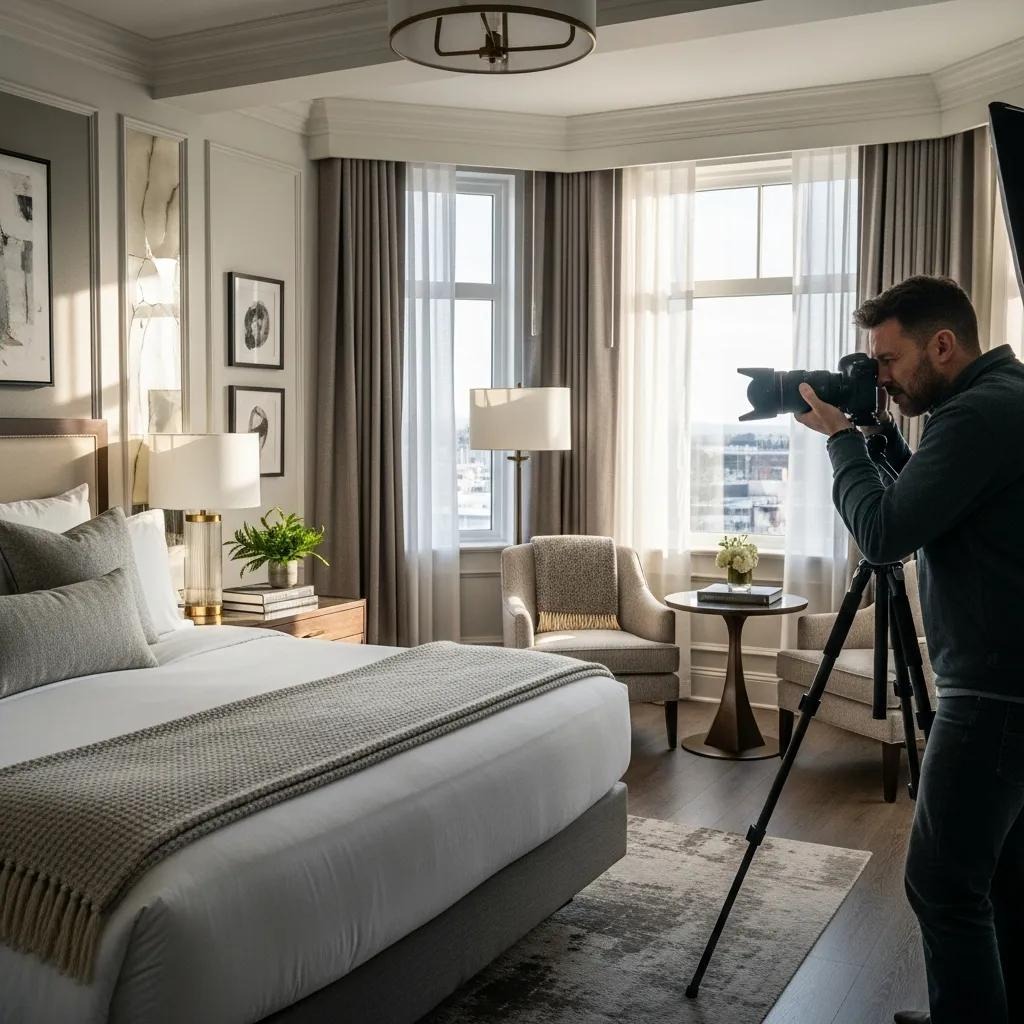
Most packages include a mix of these core elements:
These parts combine to deliver a complete visual package that supports bookings and brand positioning.
Delivered files typically include a balanced mix of hero images, mid-shots and close-ups so you can build listings, social posts and printed materials without repeatedly commissioning new shoots. Photographers often supply multiple crops and colour variants to suit different platforms, plus web-optimised JPEGs and higher-resolution files for print or large-format use. Ask for metadata and captioning where possible so assets are searchable in your digital library.
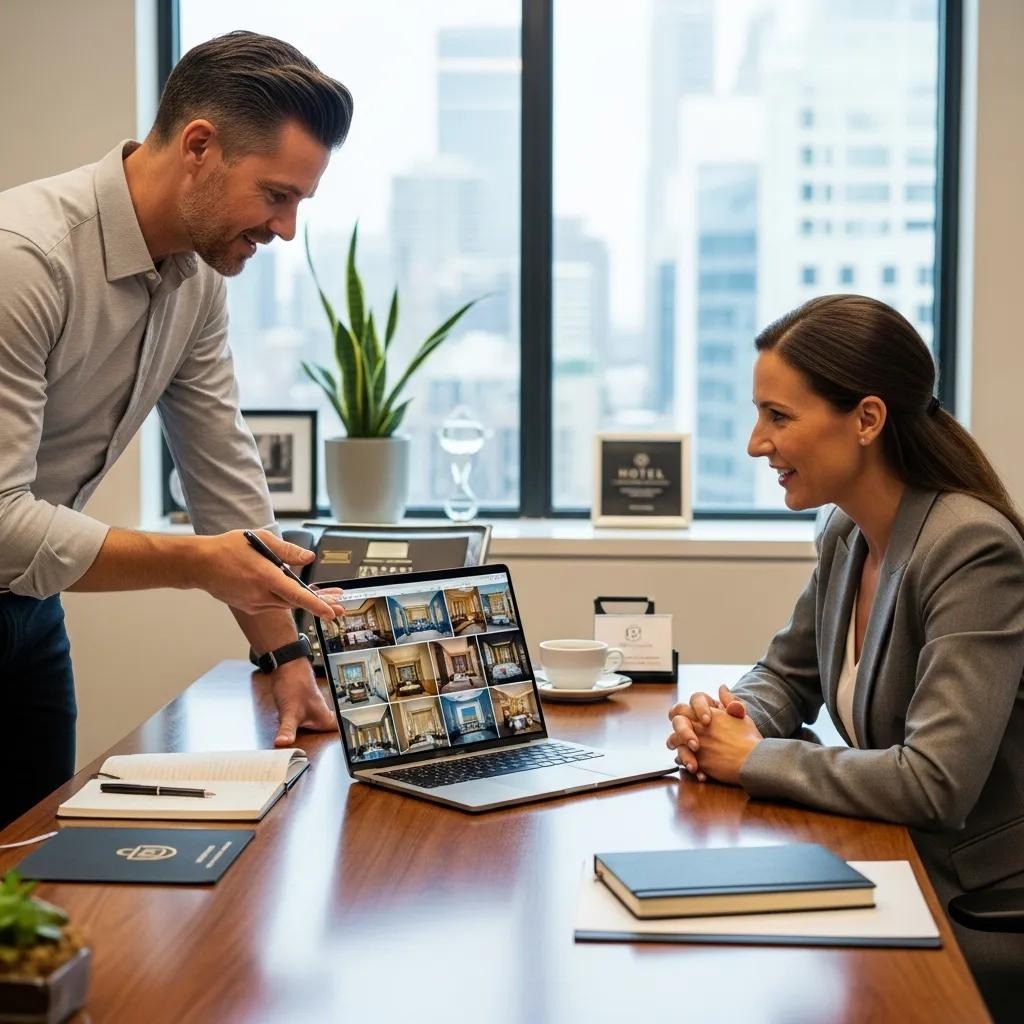
Costs vary by scope and experience. Entry-level shoots commonly start around A$500. Mid-range packages often fall between A$1,000 and A$3,000, while larger or fully bespoke projects can exceed that range. Photographers usually provide custom quotes so the package fits your property’s size, deliverables and timeline.
Beyond day rates, additional costs that commonly influence quotes include travel and parking, specialised equipment (drones, lighting rigs), stylist or prop hire, set dressing and extra retouching time. If a shoot requires permits, after-hours access, or temporary closures of public areas, expect those logistical elements to be reflected in the final cost. Clarifying these items early helps avoid surprises.
Photographers generally keep copyright, then grant clients a license to use the images. Licenses can be broad or restricted — for example limited to certain media, regions, or timeframes. Confirm licensing details up front so you understand whether you have full commercial use, exclusivity, or any limits that might affect future campaigns.
Common license elements to confirm include whether the license is perpetual or time-limited, exclusive or non-exclusive, and whether sublicensing or resale is permitted. Ask whether you will receive original source files or only final exports, and whether the license allows edits or derivative works. If you plan paid advertising or distribution through third-party partners, ensure those channels are expressly covered.
Choose a package that matches your marketing needs: image resolution for print, variety for digital channels, and a photographer experienced with hospitality staging. High-quality, consistent visuals will better support your bookings and brand messaging.
Plan logistical details such as room availability, housekeeping schedules and guest privacy ahead of time. Brief your team on wardrobe, props and where staff should be positioned during the shoot. Small staging actions — like clearing clutter, adding fresh linens or placing attractive table settings — can significantly speed the shoot and reduce retouching time.
Packages are built around needs and budgets. Typical options include:
Each option can be adjusted to highlight what makes your property special.
When choosing between options, match the package to your primary channels and campaign cadence. A basic package may suit a quick listing update, while standard or premium packages better support ongoing marketing needs across social, booking engines and printed brochures. Custom packages are useful when you need a specific combination of assets, such as day-to-night sequences or a detailed food and beverage spread.
Popular services included in hospitality shoots are:
Combined, these create a visual story that supports bookings across channels.
Sequencing services during a multi-day shoot improves efficiency: capture interiors during daytime light, schedule food shoots close to service times to use fresh plating, and reserve twilight exteriors for the period when light is most atmospheric. Coordinating with the venue’s operations team ensures spaces are staged and ready, and reduces missed shots that require return visits.
Pricing is driven by project scope, deliverables and the photographer’s experience. Understanding what’s included in each package is key to comparing value, not just price.
Common cost drivers include:
Weigh these factors when deciding which package delivers the best return for your budget.
When evaluating quotes, compare deliverables rather than raw time rates. Consider the likely lifespan of the images across campaigns, whether the license supports repeat advertising, and the expected increase in conversion or engagement from refreshed visuals. A higher upfront fee can be a better investment if it provides flexible licensing and a broader asset set.
Standard packages give predictable deliverables. Custom quotes let you prioritize specific needs — such as extra retouching or broader licensing — so you pay only for what matters most to your marketing plan.
Image usage rights determine where, how and for how long you can use the photos. Clear licensing protects both the photographer’s copyright and your ability to use images across campaigns.
Licensing agreements spell out permitted uses — advertising, social posts, website use, third-party booking platforms, print ads, and more. Make sure the license covers the channels and duration you’ll need.
Watch for limits on time (e.g., one year), geography (domestic vs global), or media type (digital only vs print and broadcast). Restrictions can affect future marketing plans, so negotiate terms that match your growth strategy.
Licenses can restrict reuse or require extra fees for extended use. Before you sign, clarify whether you’ll need unlimited commercial rights, exclusivity, or the option to extend usage later.
Negotiate clear renewal terms and ask how extensions are priced. It’s common to agree an initial license with an option to extend for a predictable fee, which avoids renegotiation under time pressure. Also clarify who can request additional edits or crops and whether derivative works are permitted.
Confirm ownership, moral rights, and any indemnities in the contract. If you plan broad commercial use, consider legal review to ensure the agreement aligns with your long-term marketing needs.
Track licenses and usage terms, and keep written records of permissions. If you need expanded rights later, negotiate an addendum rather than assuming broader use is allowed.
Use a simple asset-management approach: embed consistent file names, add usage fields to a spreadsheet or DAM, and note expiry dates and territorial limits. This helps marketing teams avoid accidental overuse and makes it straightforward to request extensions or additional licenses when campaigns evolve.
Local photographers can deliver practical advantages: familiarity with the market, logistical ease, and knowledge of what visual styles work regionally.
Brisbane-based photographers understand the city’s light, locations and audience. That local insight helps tailor imagery that highlights your property’s unique points.
Working locally can mean:
When commissioning locally, ask photographers about previous regional shoots and how they handled permits, seasonal light and on-site coordination. Local providers often have established relationships with stylists, prop houses and food stylists, which can streamline complex shoots and reduce lead times.
For expert hospitality photography services in Brisbane, consider AND Photography, known for tailored packages and local expertise.
The industry is adapting to digital-first marketing, and that shows in pricing and licensing practices.
Brands now favour more flexible licenses and authentic, experience-led photography. Natural, candid imagery that reflects real guest experiences is increasingly in demand.
As digital channels multiply, hotels need a wider variety of assets — hero images, social snippets, short clips and platform-specific crops — which influences both shoot scope and pricing.
Content strategies now often include short-form video and vertical crops alongside traditional stills. Photographers who can supply multi-format assets — or work alongside a videographer — will better serve current channel mixes and reduce the need for repeat bookings to capture new formats.
Maximise return by planning usage up front, negotiating the right license, and specifying deliverables that work across channels.
Ask for licensing that covers social, advertising, and booking platforms, and ensure file sizes and formats match your intended channels so you don’t need costly re-delivery later.
Use case studies and before/after portfolio pieces to judge a photographer’s impact — look for measurable results like increased bookings or higher engagement on listing pages.
Request to see relevant portfolio pieces that match your property type and marketing goals. Comparing similar projects gives a clearer sense of expected style, turnaround times and how images were used across platforms — which helps set realistic expectations for your own campaign outcomes.
Look at the services included, the photographer’s hospitality experience, image quality and deliverables. Make sure the package aligns with your marketing goals — for example whether you need web-ready images, print-quality files, or social-ready crops — and confirm customization options and timelines.
Also review samples for consistency, ask about typical turnaround for edited images, and confirm who will own and manage the original files after delivery. Clear expectations during the briefing reduce the need for revisions.
Be clear about your brand and expectations during the pre-shoot briefing. Share style references, provide a shot list, and choose a photographer with relevant hospitality work. Discuss post-production standards and ask to see sample retouches before final delivery.
Local photographers bring area knowledge, easier scheduling and often quicker turnaround. They’ll know the best local light, vantage points and seasonal considerations to showcase your property effectively.
Digital-first marketing increases demand for varied assets — images sized for social, booking platforms and paid ads. Authentic, lifestyle-focused photos that feel real tend to perform better than overly staged shots.
Clarify the scope (channels, regions, duration), ownership and any resale or sublicensing limitations. If you need long-term or global commercial rights, get that written into the license rather than relying on verbal agreements.
Create a library of flexible assets: hero shots, detail close-ups, staff and guest moments, and short video clips. Make sure your license allows broad social use and that files are optimized for the platforms you use most.
Prices vary by level of service. Expect basic shoots to start around A$500, with more extensive standard packages in the A$1,000–A$3,000 range. Larger, bespoke projects or shoots requiring extras (food styling, drone work, extended retouching) will cost more.
When budgeting, factor in the number of final images, whether you need multiple crops and formats, and any post-delivery asset management. If a package includes ongoing refreshes or seasonal shoots, clarify the cadence and pricing for those follow-ups.
Yes — but only if the licensing agreement grants commercial use. Always confirm commercial usage rights and any limits (time, geography or media) before the shoot to avoid unexpected fees later.
Practical pre-shoot checklist: prepare a clear shot list prioritised by marketing channel, confirm room readiness and housekeeping timing, identify staff or guests who will appear in images and secure model releases if required, and decide on any required styling or props. These steps help the photographer deliver the assets you need within the licensed scope.