
brisbanes-trusted-commercial-photography-professional-images-that-work-for-your-business


Strong visuals shape how customers judge your credibility. Commercial photography in Brisbane covers headshots, event coverage and product shoots tailored for business use. This guide explains why professional imagery matters, how to prepare for an efficient shoot, and which trends to consider so you can pick the approach that best supports your brand. Because images are used across websites, social channels, internal comms, advertising, packaging and investor materials, planning beyond a single deliverable helps you get more value from every session. Thoughtful preparation also makes it easier to reuse assets across campaigns and to measure the return on your visual investment.
Recent studies confirm visual media has a strong impact on brand perception in today’s digital marketplace. Practically speaking, better images lead to clearer messaging, higher engagement and stronger trust—outcomes you can track with analytics and conversion metrics.
Visual media and brand perception for small businesses
In the digital economy, a company’s visual presence often determines how customers discover and choose brands—especially for small businesses with limited budgets and strong competition. Online platforms raise expectations for authenticity, emotional connection and a consistent aesthetic across channels. This study highlights the strategic importance of visual and personal media choices for small businesses aiming to stay competitive and grow.
The influence of media image on brand perception in the digital space of small businesses, 2025
Brisbane photographers offer a wide range of corporate services designed to build a consistent visual identity. From polished headshots to event reportage and product imagery, each service supports different marketing or internal needs. Choosing the right shoot type helps you communicate professionalism and ensures images align with your brand goals. Typical deliverables include web-ready files, print masters, online galleries and usage licences—confirm formats and resolutions with your photographer before the shoot to simplify post-production and publishing. Agreeing on usage up front prevents scope creep and ensures licences match your intended channels and territories.
Knowing these options makes it easier to choose a photography approach that fits your strategy and budget. When comparing quotes, check image counts, delivery timelines, retouching limits and licensing so you can compare true value. Also confirm who handles model releases and metadata so images arrive publish-ready.
Headshots are a cornerstone of corporate identity. A well-made portrait communicates competence and approachability, helping customers and partners connect with the people behind your brand. Consistent styling across the team strengthens recognition and trust. When planning headshots, set wardrobe guidelines, clarify desired expressions and consider light grooming to achieve a unified look. Typical sessions are brief and repeatable, making them practical for onboarding new hires or refreshing profiles.
High-quality headshots increase credibility and humanise your organisation—especially in relationship-driven industries. Use them on LinkedIn, team pages and marketing materials to present a consistent, professional face to the market. Pick a clear style (formal, approachable, creative) and document it in a short brief so photographers can reproduce the look. Headshots also work well in press releases, speaker bios and investor packs where a professional image reinforces messaging.
Consistent lighting, backdrops, cropping and retouching help your team read as a cohesive unit. That visual coherence boosts brand recall and projects organisational professionalism. Small production choices—uniform crop ratios, matched contrast and standard background tones—reduce editing time and make assets easier to reuse across templates. Keep a brief style guide that records camera settings and retouching notes so future shoots align with earlier work.
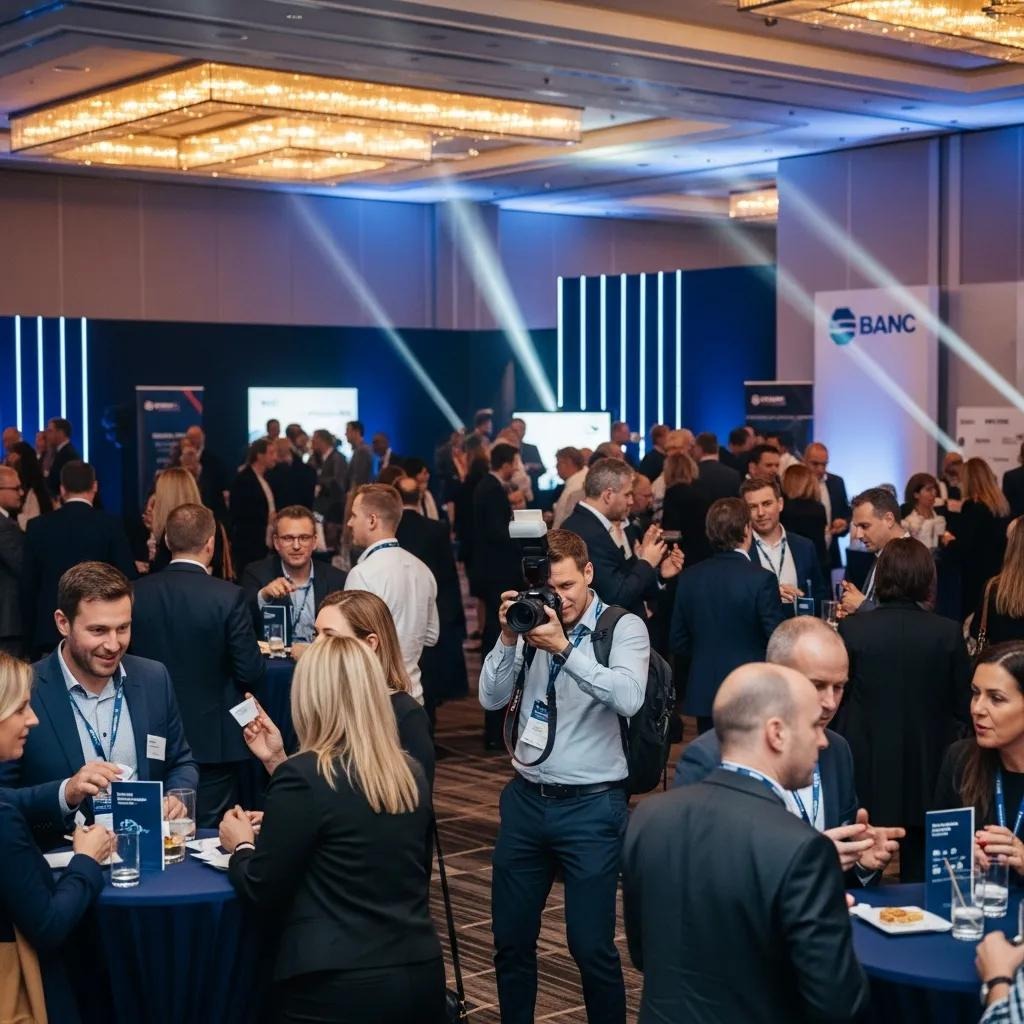
Event photography tells your organisation’s story in motion. The right photographer captures atmosphere, key interactions and decisive moments—images you can reuse for reports, social and future promotions. Combine wide environmental shots, candid portraits and close details to build a versatile library from a single event. Planning a content calendar before the event helps you maximise how and when you publish those images.
Experience matters. Skilled event photographers work unobtrusively, recognise decisive moments and manage mixed lighting and crowded spaces. Their technical and editorial judgement produces images that match your brief. Ask about lighting kits, backup equipment and examples of similar events so you can judge fit for your scale and format needs. Clarify who is the lead photographer and how assistants will be deployed to cover concurrent sessions.
Plan around your agenda—prioritise speakers, awards and networking breaks. Share timelines and shot lists with your photographer so they can allocate crew and gear for full coverage. Agree in advance on deliverables (number of edited images, turnaround time and usage rights) to avoid misunderstandings. If possible, arrange a short site visit or a virtual walkthrough so the photographer can anticipate lighting and access challenges.

Product photography directly influences purchase decisions. Crisp, well-lit images signal quality, reduce returns and make listings more competitive online. For Brisbane brands, professional photography helps products stand out locally. Include multiple angles, scale references and lifestyle photos alongside plain-background shots to create assets suited to both ecommerce and promotional channels. Run A/B tests to see which compositions and styles drive clicks and conversions.
Product photos express your brand—styling, props and backgrounds should reflect your positioning and values. Strong imagery differentiates products and supports a coherent brand story. Decide whether a clean, minimalist look or a styled lifestyle approach best communicates the product’s use and audience. Share retouching guidelines so edits remain aligned with your brand tone.
From thumbnails to brochure spreads, high-quality product photos make marketing more persuasive. Better visuals increase engagement and conversions across channels. Whenever possible, request both high-resolution masters for print and optimised web sizes to improve page speed and user experience. Provide crop ratios for common placements like thumbnails, hero banners and social posts to save time in post-production.
Good preparation keeps a shoot efficient. Small details—clean products, thoughtful staging and a lighting plan—deliver better results. Preparing early avoids last-minute retakes and helps keep costs predictable. Also confirm whether props or models require release forms and whether packaging should be shown or concealed to match the brand aesthetic.
These steps help your photographer deliver images that meet the brief and the deadline. Also supply SKU lists, accurate product names and packaging details so captions and metadata are correct on delivery. Clear labelling and a simple shot checklist per SKU will save significant time during the session.
Branding photography builds a library of on-message visuals for marketing, recruitment and internal communications. Strong imagery increases recognition, supports campaigns and communicates what your business stands for. A flexible asset library reduces repeat bookings and speeds campaign launches across channels and seasons. Consistently using branded imagery also supports employee advocacy and makes it easier for staff to share on their networks.
Consistent imagery reflects your values and makes it easier for customers to recognise and trust your brand. That visual clarity supports long-term recognition. Use a simple style guide that notes preferred filters, cropping and tone to keep future shoots aligned with earlier work. Recording exposure settings and colour references helps maintain a uniform look as your collection grows.
On-brand photography lifts the quality of ads, social posts and sales collateral—leading to better engagement and higher conversion rates. Reusing core portraits and lifestyle images across formats reduces production time for new campaigns and improves cohesion in multi-channel marketing. Track which image treatments perform best to inform future shoots and edits.
Personalised sessions are collaborative: your photographer learns your goals, tone and audience, then translates those into a visual style that fits the brand. A short creative brief with mood images speeds concept development and ensures the shoot delivers usable material. Bringing example shots and a prioritised list of deliverables will make the session more productive.
Before the shoot, agree on the message and target audience. Clear objectives shape wardrobe, locations and shot lists so images serve your strategy. Prioritise must-have shots first in case time is limited. Set measurable KPIs where possible (engagement, click-throughs, asset reuse) so you can evaluate impact after the campaign.
Pick a photographer whose portfolio and approach align with your vision. Experience in branding work helps refine concepts and deliver images that perform. Review contract clauses around licensing, cancellations and deliverables so you know exactly what’s included. Consider a short trial session for new partnerships to confirm style and workflow fit before committing to larger projects.
Portraits put faces to the brand—helping customers connect with your team and build trust. The best portraits reveal personality while staying on-brand. When you use consistent framing and backgrounds, portraits become recognisable assets that reinforce identity across touchpoints. Store consistent metadata with each portrait to simplify search and reuse.
Professional portraits convey competence and warmth. Invest in quality capture and subtle retouching to preserve authenticity. Request a small set of natural and formal variations so images work across social, web and investor materials. Use proper colour profiling for print and web to maintain likeness and colour accuracy across channels.
Refreshing team portraits periodically keeps your brand current across digital and print channels. Plan updates when key personnel change or when you refresh your corporate visual language. Maintain an archive of previous portraits for record-keeping and to track how your brand evolves over time.
Choosing the right photographer comes down to style fit, reliability and local insight. A dependable partner will understand your industry and deliver consistent results that support your goals. Meet or call shortlisted photographers to discuss logistics, turnaround and your review process so expectations are clear. Check contract terms for rights, usage territories and whether raw files are included.
Review portfolios for technical quality and a consistent aesthetic. Look for work that demonstrates versatility across lighting, composition and settings. Ask to see full shoot galleries rather than single highlights to judge consistency and delivery quality. Request examples from clients in similar industries to understand how the photographer handles comparable briefs.
Photographers familiar with Brisbane can advise on aesthetics that resonate locally and recommend locations that suit your brand. Their local experience helps with permits and timing for natural light at popular locations. They can also recommend stylists and makeup artists to streamline production.
Portfolios and testimonials reveal creative skill and professionalism—qualities you want in a long-term partner. Pay attention to communication, scheduling and whether previous clients received images on time and to brief. Look for case studies that include process notes and measurable outcomes where possible.
Choose a portfolio that matches your aesthetic and demonstrates dependable results across similar briefs. When possible, request references or case studies to understand working styles and post-production timelines. Seeing a start-to-finish gallery helps you judge how the photographer manages lighting, editing and client feedback.
Testimonials provide real-world evidence of reliability, turnaround times and collaboration. Look for comments about flexibility during shoots and clarity in licensing and deliverables. Follow up with references to ask how well the photographer met deadlines and handled revisions.
Photographers offer a range of packages; knowing what’s included helps you compare value—not just price. Ask for itemised quotes that show hours, number of final images and retouching limits so you can make apples-to-apples comparisons. Confirm whether invoices include taxes and travel expenses to avoid surprises.
Standard packages typically cover essential shoot time and basic edits; premium options add assistants, locations, styling and advanced retouching. Check whether travel, parking and extra crew are included or charged separately. A clear deliverables list in writing prevents misunderstandings about what is and isn’t included.
Many photographers tailor packages to your needs—ask about add-ons like on-site hair and makeup, extended licences or expedited delivery. Clarify deposit and cancellation policies early to avoid unexpected fees. Build in a short approval window for proofs to keep the project on schedule.
When hiring event photographers, expect clear details on coverage, deliverables and timelines. A professional company will outline what’s included and how images will be delivered. Confirm insurance and contingency plans for equipment failure or key-person absence. Request a day-of contact to simplify on-site decisions and approvals.
Effective event coverage captures the narrative: arrivals, keynote moments, candid interactions and closing highlights. Provide a short list of VIPs and critical moments so these are prioritised in coverage. Create a shot-priority list so photographers know what to capture first if time is limited.
Look for packages that scale to your event size and objectives—whether you need social-ready images or a polished photo album. Ask about on-site turnaround if you require same-day content for social teams. Confirm how many shooters will be present and whether extra photographers can be added at short notice.
Combining event and team photography showcases company culture alongside key moments—useful for recruitment, PR and internal storytelling. Thoughtful sequencing of team portraits and event reportage creates a coherent narrative. Mixing stills with short-form clips or animated GIFs can increase social engagement when used appropriately.
Experienced photographers anticipate and capture important moments—handshakes, presentations, award winners and networking energy. Schedule staged team photos between event segments to avoid disrupting programming. Obtain permission or releases where needed for candid portraits to avoid later publication issues.
Post-event editing ensures colour consistency, optimised crops and selective retouching so images look polished and on-brand. Agree on the number of edited selects and the delivery schedule before the event. Consistent colour grading across event images helps maintain a recognisable look for multi-event campaigns.
Adding logos and brand elements to event imagery increases visibility and meets sponsor requirements. Work with sponsors ahead of time to confirm logo usage, placement and required resolutions. Supply high-resolution logo files and preferred colour versions to the photographer or designer to ensure accurate reproduction.
Include signage, stage backdrops and product placement in your shot list to maximise brand exposure. Photograph sponsor signage clearly and regularly if visibility is part of the deliverable. Consider branded overlays for social images, ensuring typography follows sponsor guidelines.
Consistent use of branding in images reinforces your message and visual identity across communications. Keep a brief style note about logo placement and caption conventions for your marketing team to follow when publishing images. Standard caption templates and logo safe zones make it faster to publish while remaining compliant.
Preparation reduces friction on shoot day. Clear briefs, a comfortable atmosphere and a planned lighting approach are the foundations of a successful session. A simple run sheet and a designated point of contact for the photographer help keep the day on schedule. Share a short site map and access instructions so crew can arrive and set up efficiently.
These steps help ensure the session runs smoothly and the images meet expectations. Allow an extra 15–30 minutes per person for team shoots to reduce rushing and improve final results. Include contingency time for delays and set check-in points throughout the day to stay on schedule.
Your wardrobe should reflect your brand and the role you want to communicate. Choose clothing that fits well, looks professional and complements your brand colours. Avoid highly reflective fabrics and large logos unless they’re part of the brand identity. Small grooming choices like matte makeup or neat hair reduce shine on camera.
Match outfits to your company culture—formal for finance, smart-casual for creative sectors—and avoid busy patterns that distract. Bring a couple of options so the photographer can advise which reads best on camera. Consider texture as well as colour; subtle textures can add depth without stealing focus.
Neutral, solid colours typically photograph best. Think about how colours read on screen and how they work with backgrounds and team wardrobe choices. Small accessories can add interest but should not draw attention away from the subject’s face. Ensure contrast between subject and background to keep the focus on the person.
Both virtual and in-person shoots rely on the same fundamentals: plan carefully, control light and agree on post-production expectations. Test connections and equipment ahead of any remote session to reduce technical issues. Consider recording virtual sessions (with consent) for training or internal use.
Following these practices helps deliver consistent, professional results whether in a studio or online. Provide participants with a short pre-shoot checklist to reduce delays and reshoots. For distributed teams, record timezones and provide a centralised scheduling link to avoid confusion.
Commercial photography continues to evolve. Demand for high-quality, on-brand content and creative uses of technology are shaping how companies present themselves. Many clients now favour authentic storytelling with diverse talent and sustainable production choices alongside technical polish. Brands increasingly request inclusive casting and low-waste production practices as part of creative briefs.
Businesses are investing in polished, genuine imagery that tells a clear, on-brand story across platforms. Relatable images often perform better on social while still supporting formal marketing and sales materials. Capture micro-moments that reveal culture and context to increase emotional connection.
Drones, 360° imaging and advanced compositing provide new perspectives and narrative tools that can set a brand apart. Consider which technologies genuinely support your message—sometimes a single, well-composed hero image is more effective than many experimental formats. Factor in budget and platform suitability when testing new formats.
Remote and virtual sessions are effective ways to capture brand moments without geographic limits, and formats are becoming more creative. Hybrid approaches that combine local capture with centralised editing help distributed teams look cohesive across campaigns. A central asset workflow reduces duplication and speeds distribution.
Virtual shoots increase access and reduce travel, making it easier to include distributed teams while keeping costs manageable. They reduce scheduling friction and can be repeated regularly to keep imagery current. Use standard framing templates and centralised editing to maintain visual consistency across remote shoots.
Remote camera control, collaboration platforms and real‑time direction help produce high-quality virtual imagery that fits into broader content plans. Good bandwidth, clear instructions and standardised framing templates make remote shoots predictable and efficient. Cloud-based proofing and version control streamline approvals and reduce email delays.
Optimising images and adding structured data helps search engines understand your content and improves discoverability for visual search. Proper image optimisation also improves page speed, benefiting both SEO and user experience. An image sitemap and descriptive captions further help search engines and users find relevant assets.
Schema markup for images and creative works improves indexing and increases the chance of appearing in rich search results. Include descriptive titles, captions and relevant schema properties to help search engines classify your assets. Maintain consistent schema across related pages to improve crawlability and grouping in search results.
Use descriptive file names, meaningful alt text and correctly sized images to boost SEO and page performance. Include width/height attributes, responsive srcset options and compressed master files to balance quality and loading speed. Implement lazy-loading where appropriate to prioritise above-the-fold content and improve perceived load times.
Case studies and testimonials make results tangible—higher engagement, faster sales or stronger pricing—and help justify investment in professional imagery. Before-and-after visuals paired with process notes help prospects see the direct impact of a photographic refresh. Use clear metrics and timeline notes to make case studies more persuasive.
Use before-and-after metrics to show how improved visuals shortened sales cycles or increased clicks and conversions. Pair visual changes with campaign context so readers can attribute outcomes to the creative update. Where possible, include conversion rate comparisons and sample creative to illustrate the effect.
Client stories that link better imagery to higher sale prices are persuasive. Discuss shifts in perceived value, product presentation and buyer confidence as part of the narrative. Explain how photography updates were integrated with product pages and marketing to support pricing improvements.
Sharing client wins with clear metrics and process details helps prospects see the practical value of professional photography. Short, structured case studies that outline the challenge, solution and measurable outcomes are easy to scan and understand. Consider downloadable versions for sales teams to share internally.
Authentic client quotes reinforce credibility and add context—use them on pages, proposals and case studies. Include a brief note about the client's goals and how the images were used to provide useful context. Always obtain consent for publication and include attribution details where required.
Well-structured case studies outline the challenge, the visual solution and measurable outcomes to demonstrate impact. Include sample images and captions that explain the role of each asset in the campaign or sales funnel. Short video summaries can complement written case studies for busy decision-makers.
Galleries and before/after comparisons give visitors a quick, persuasive view of what professional photography can deliver. Thoughtful captions and clear groupings help visitors find examples relevant to their industry or use case. Use filtering and tags so visitors can quickly locate relevant examples by industry, format or deliverable.
Curate a portfolio that highlights standout work and pairs images with briefs and outcomes so potential clients understand context and impact. Keep the gallery focused and update it regularly to reflect current styles and capabilities. Remove or hide sensitive client work when necessary and keep permission records up to date.
Design galleries for easy browsing—fast-loading images, clear captions and logical groupings help visitors find relevant examples. Provide lightbox previews and download-ready asset options for clients who need samples for internal review. Prioritise a mobile-first layout and test common user journeys to ensure quick discovery.
For more information on our commercial photography services and how professional imagery can strengthen your brand, visit our website.
Commercial photography helps businesses in competitive markets—retail, hospitality and professional services, for example—stand out. High-quality images improve brand perception, making products and services more appealing to customers. Organisations that rely on online sales or social engagement often see measurable gains in conversions and trust. In short, any business aiming for a strong visual identity benefits from professional photography.
Preparation is mostly communication. Share the session objectives, provide wardrobe guidelines and encourage team members to practise natural expressions. Consider a short pre-shoot briefing to set expectations and calm nerves. A relaxed, organised environment helps everyone perform better in front of the camera.
Current trends include authenticity, diverse casting and sustainable production. Brands favour relatable imagery that reflects real-life scenarios, plus eco-conscious shoots and inclusive storytelling. Technology such as drones and 360° imaging is also more commonly used when it adds clear value to the narrative.
Track KPIs like engagement rates, conversion rates and sales before and after new imagery goes live. Use analytics to assess how photos affect website traffic and social performance. Pair metrics with qualitative feedback to build a fuller picture of impact and to justify future investment.
A contract should specify scope, deliverables, timelines and payment terms. Clearly list usage rights, distribution restrictions and any limits on modifications. Include cancellation, rescheduling and liability clauses, and confirm who is responsible for equipment and backups. Clear terms prevent misunderstandings later.
Yes—using the same images across channels helps maintain a cohesive brand identity. Make platform-specific adjustments for size and format, but keep core visuals consistent. Tailor crops and captions for each placement to make assets perform best in their intended context.
Common mistakes include poor planning, no shot list, and not preparing subjects. Avoid these by creating a clear brief, communicating expectations and allowing buffer time. A quick orientation for participants and a point of contact on-site will reduce stress and improve results.
Professional photography sharpens your visual identity and increases trust with potential customers. High-quality images drive better engagement on social and web channels and often lead to higher conversion rates. Strong visuals help you stand out and provide versatile assets that save time across campaigns, lowering long-term production costs.
Look for a photographer whose portfolio and style match your brand. Prioritise corporate experience, ask for full galleries (not just highlights) and read client testimonials. Arrange a consultation to discuss objectives, logistics and licensing. Clarify turnaround times and revision processes to set clear expectations.
Include objectives, target audience and the message you want the images to convey. Add style references, must-have shots and practical details like location, timing and props. A clear brief with mood images speeds alignment and improves outcomes. Attach a timeline and contact list so the photographer can plan effectively.
Save images in web-friendly formats (JPEG/PNG), compress masters for the web and use descriptive file names and alt text for SEO. Provide multiple sizes and crops for different platforms and include width/height attributes or responsive srcset options to improve loading times. Archive RAW or TIFF masters for future exports and repurposing.
Common challenges include poor lighting, schedule changes and nervous subjects. Mitigate these with a pre-shoot walkthrough, a clear shot list and strong communication. Allow buffer time in the schedule and appoint a point of contact to keep the day on track. A short orientation for participants reduces nerves and speeds the process.
Use event photos to showcase culture and milestones—share them on social, in newsletters and on your website. Create galleries that tell a story and select images that support PR, recruitment and sales. Consistent branding in event images increases recognition and impact. Plan a distribution schedule to reuse event images across channels over time.
Storytelling creates emotional connection. Capture authentic moments and narratives that reflect your values and audience. Images that show real people and situations are more likely to engage viewers and encourage sharing. Build narratives through sequencing and captions to guide viewers through your story.
Start by clarifying your brand identity and audience. Decide whether the tone should be formal, relaxed or creative, and choose photographers whose portfolios reflect that feel. A mood board helps the photographer understand your vision quickly. Consider a short style reference document that can be reused across future shoots.
Lighting sets mood, clarity and perceived quality. Natural light offers a softer, approachable look; studio lighting delivers consistent control and polish. Discuss lighting preferences with your photographer and, for mixed-use shoots, plan time for both natural-feel and studio-lit variations. Schedule golden-hour or controlled studio windows in advance for consistent results.
Refresh headshots every 12–24 months or whenever team members or brand direction changes. Regular short sessions keep portraits current without large productions, especially for organisations with frequent hires. Stagger sessions by department to make scheduling easier and maintain consistency.
Choose a location that supports your brand message and offers good light, suitable backgrounds and easy access. Natural settings read as relaxed; urban or office environments read as professional. Check logistics like parking, noise and permits in advance. Confirm power access and any restrictions that might affect lighting or staging.
Absolutely. Professional images boost engagement and reinforce your brand online. Request square and vertical crops alongside the master horizontal file so you can publish quickly across Instagram, LinkedIn and Facebook. Consider short-form edits for Stories and vertical-first content to maximise reach.
A local photographer brings area knowledge, familiar locations and an understanding of regional visual preferences. They can advise on timing for natural light, logistics and local permits—details that make shoots run smoother and feel more relevant to your audience. Local partners are also quicker for follow-ups or retakes and often have established vendor relationships.
Share your brand mission, tone and audience with the photographer. Provide examples of preferred styles, colours and themes, and review proofs early to confirm consistency. A short reference doc with must-haves and prohibited elements helps keep future shoots aligned. Regularly review imagery performance to guide future creative decisions.