
brisbane-restaurant-interior-photography-that-captivates-customers
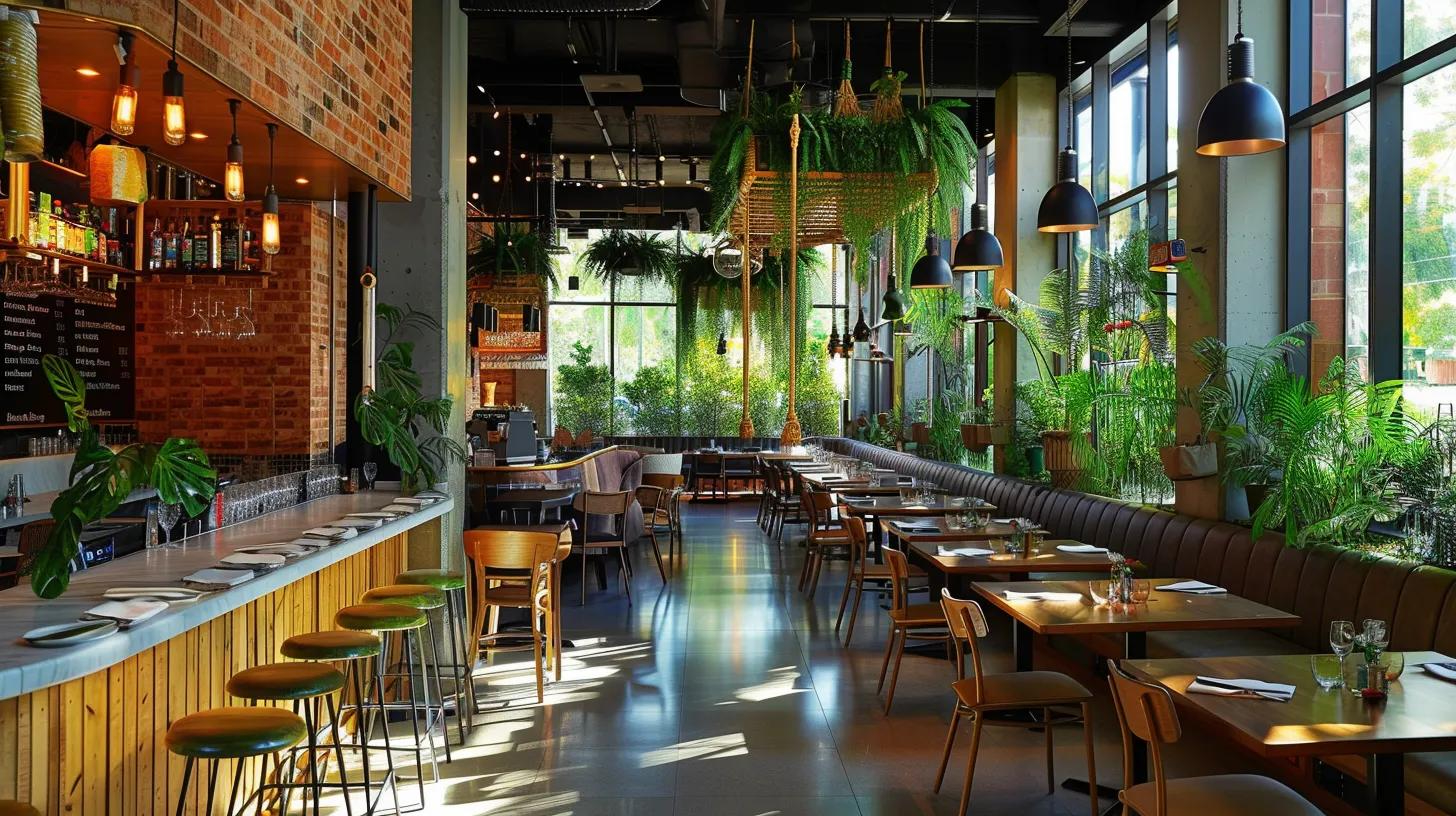
Photography That Captivates Customers: Professional Visual Storytelling to Enhance Hospitality Marketing
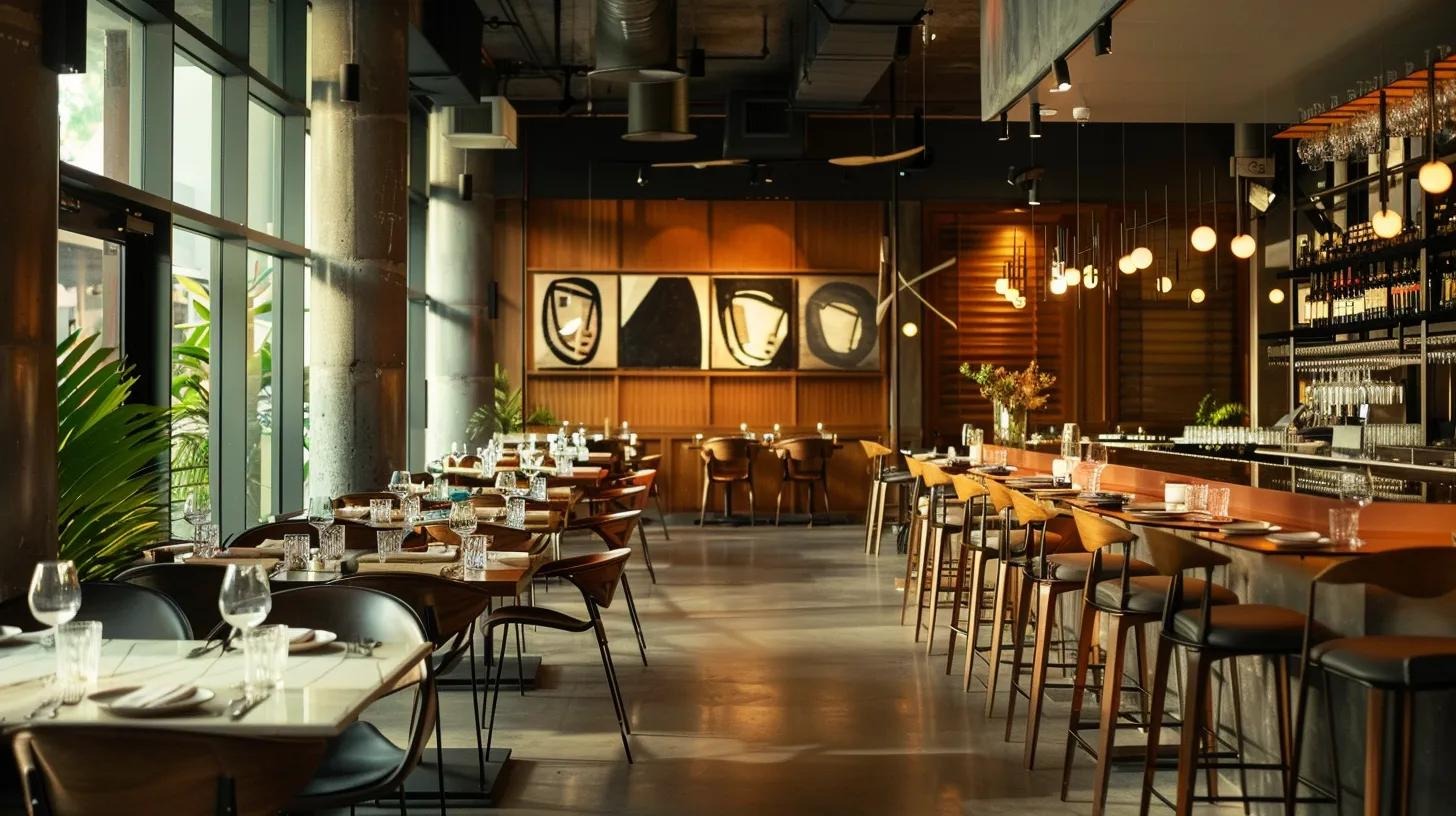
By Andrey Orekhov, AND Photography
Captivating visuals play a crucial role in the competitive landscape of Brisbane's restaurant scene, where first impressions can determine customer interest and engagement. High-quality restaurant interior photography elevates a venue's marketing strategy, transforming mere visuals into compelling narratives that resonate with potential patrons. By showcasing exquisite spaces through professional photography, establishments can effectively communicate their unique ambiance and aesthetic appeal. As the hospitality industry evolves, emphasizing visual storytelling has become essential for restaurants seeking to attract a diverse clientele.
This article delves into how professional restaurant interior photography can enhance customer attraction, the impact of lighting techniques, and the current design trends that are crucial for creating a memorable dining experience. Additionally, we will explore how quality photography boosts marketing efforts and offers practical advice on selecting the right photographer in Brisbane.
To understand the value of professional restaurant interior photography, it’s essential to consider how visual representation influences consumer behavior. High-quality visuals can evoke emotional connections by capturing the essence of a restaurant's ambiance, allowing potential customers to imagine themselves within that space. This emotional engagement, facilitated through compelling photography, significantly enhances customer attraction and interest.
Ambiance photography serves as a powerful tool in hospitality marketing by creating an emotional narrative that resonates with potential customers. Effective images of well-designed interiors can establish trust, showcasing the restaurant's attention to detail and commitment to providing an enjoyable dining experience. For instance, capturing cozy seating arrangements, inviting lighting, and stylish decor elements drives engagement and encourages viewers to visit. By leveraging ambiance photography, restaurants can effectively communicate their brand identity and the unique experiences they offer.
Research underscores how visual imagery plays a pivotal role in shaping travel decisions and first impressions, particularly in hospitality settings.
Visual Imagery and Emotional Responses in Hospitality Photography
Visual imagery plays a central role in influencing travel decisions, with hotel-room photographs often forming a traveller’s first impression of a property. Previous research suggests that specific compositional elements can shape viewers’ emotional responses to images. However, the extent to which these cues affect real-world audiences remains unclear, particularly in hospitality settings where multiple factors influence perception.VISUAL FRAMING IN HOSPITALITY MARKETING: THE ROLE OF CAMERA ANGLE AND HUMAN PRESENCE IN SHAPING TRAVELERS'
EMOTIONAL RESPONSES, MNA Hamid, 2025
The details of a restaurant's interior design are vital components of visual storytelling. Each element, from color schemes to furniture selection, contributes to the narrative that a photograph conveys. For instance, a rustic decor style might evoke feelings of comfort and nostalgia, while sleek, modern furnishings can suggest sophistication and trendiness. Photographers must capture these design elements using smart composition and staging techniques, ensuring that each image tells a cohesive story that resonates with the target audience. The interplay of design and effective photography ultimately enriches the viewer's experience and influences their dining choices.
Understanding which design elements are most effective is crucial for compelling interior photography.
Effective Design Elements in Interior Photography
Evaluate the Effective Design Elements in an Interior Photograph which Impact on Decision-MakingEvaluate the Effective Design Elements in an Interior Photograph which Impact on Decision-Making, MD Dewapriya
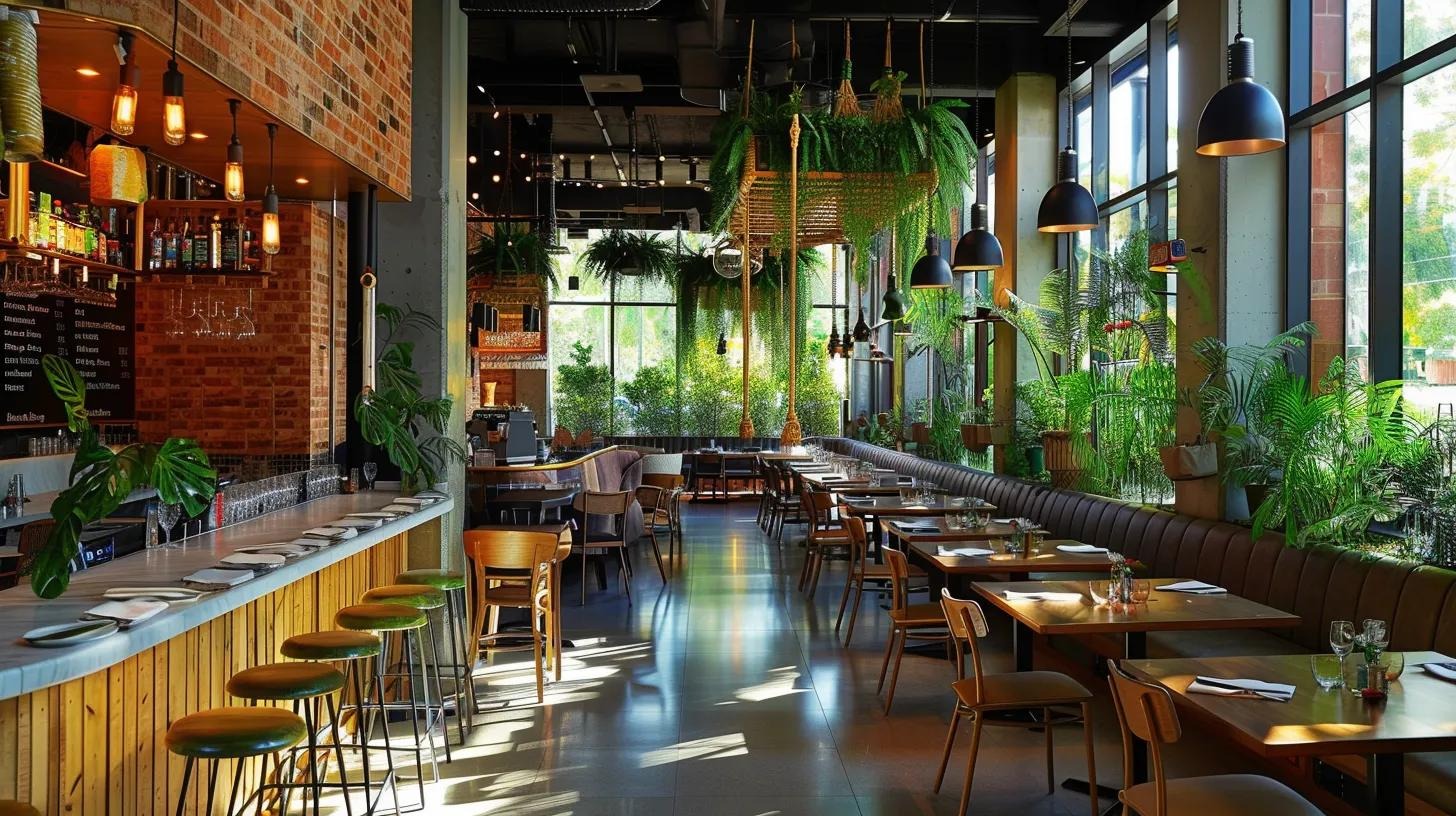
Lighting plays a critical role in the success of restaurant interior photography, directly influencing the mood and quality of the images. Employing the right lighting techniques can enhance the visual appeal and effectively portray the atmosphere of a dining space.
To create the desired mood in restaurant photography, photographers often utilize a combination of natural and artificial lighting. Natural light can be harnessed during the day to create a warm, inviting atmosphere, while artificial lights can be adjusted to highlight specific features of the restaurant's interior. Utilizing adjustable fixtures such as dimmable lights allows photographers to adapt the ambiance capture to align with the restaurant's theme. For example, accent lighting may enhance architectural features, creating a dramatic effect that draws in viewers.
The quality of lighting directly impacts image clarity and the viewer's perception of the restaurant. Well-lit photographs with accurate color representation can foster positive impressions and inspire trust in the restaurant's quality. Conversely, poor lighting can lead to unappealing images that fail to attract potential customers. Attention to detail regarding lighting ensures that every aspect of the restaurant is captured, from textures to colors, ultimately conveying a professional image that enhances customer decision-making.
Investing in professional restaurant interior photography can yield significant returns in terms of marketing impact and customer engagement. Quality images not only improve promotional materials but also help restaurants establish a cohesive brand identity.
Research has shown that restaurants with high-quality images experience increased online reservations and positive brand perception. Professional exterior and interior photos encourage viewers to visualize their dining experience, thereby increasing the likelihood of booking a table. Well-composed, inviting images are instrumental in communicating the atmosphere and style of the restaurant, allowing potential customers to form a connection even before stepping through the doors. Engaging visuals translate directly into customer action, enhancing business growth.
To maximize the benefits of professional photography, restaurants must integrate their images into a broader marketing strategy. Utilizing visuals across various social media platforms, blogs, and email campaigns reinforces brand messaging while creating a cohesive visual identity. For example, a restaurant may create a visually-driven Instagram feed that highlights its interior, menu items, and key events, encouraging engagement and fostering a community around the brand. Effective utilization of photography not only attracts new customers but also encourages repeat visits through visually stimulating content.
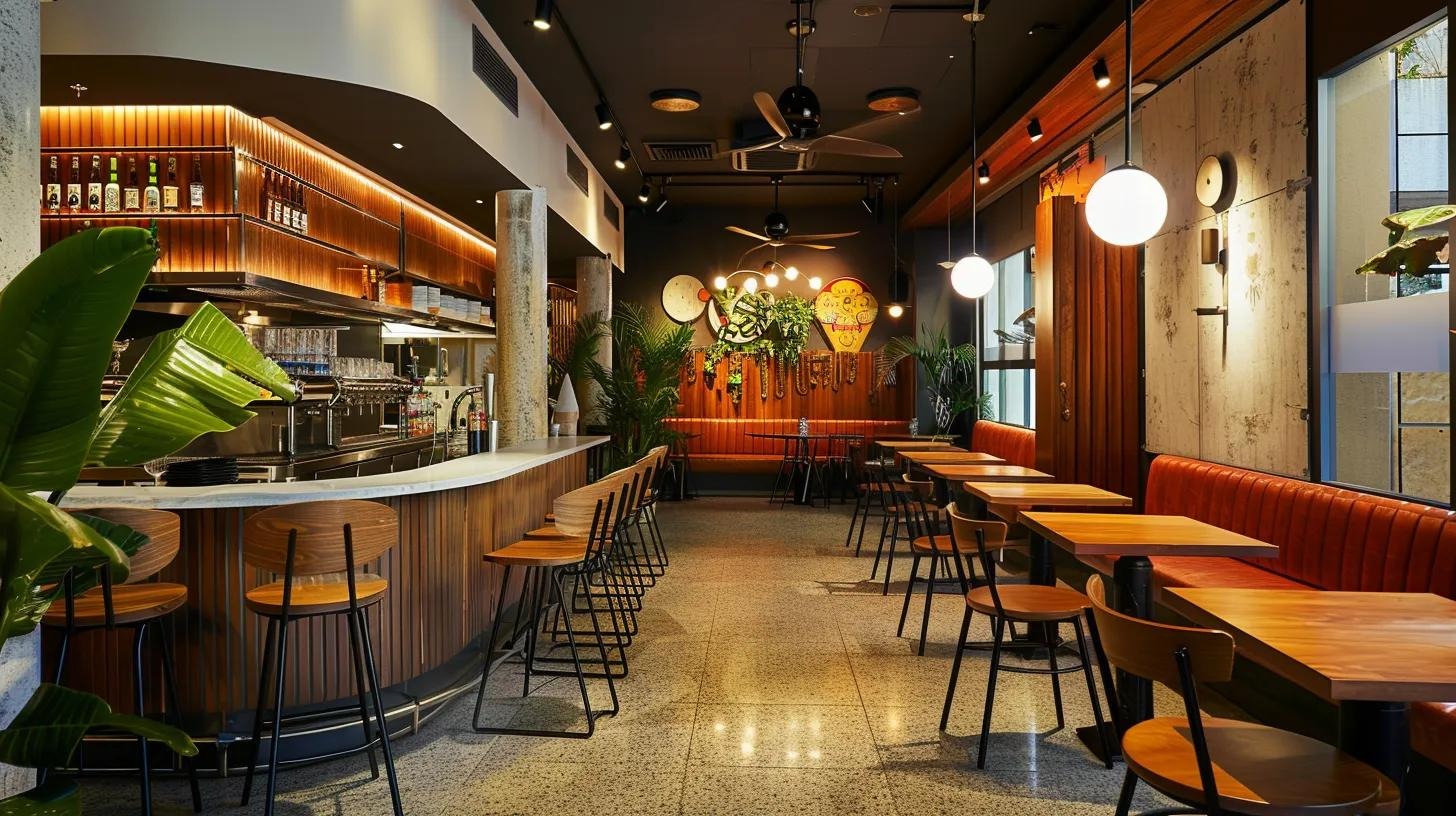
Choosing the right photographer for interior restaurant photography is crucial for ensuring the final images align with the restaurant's vision and branding.
When selecting a photographer, it’s essential to consider their experience in hospitality photography, as this field requires specialized skills. Look for portfolios that showcase a range of styles and settings, demonstrating versatility and an understanding of different atmospheres. Photographers should also have experience working with restaurants, understanding how to effectively capture the essence of a dining space while highlighting its unique features.
A photographer's portfolio not only displays their technical skills but also reflects their artistic style. It's important to select a photographer whose style complements the restaurant's brand identity. For instance, if a restaurant prides itself on being modern and chic, a photographer with a clean, contemporary approach will be more suitable than one who specializes in rustic themes. Consistency in quality and creativity across their work can help restaurant owners gauge how effectively a photographer can deliver their vision while illustrating the restaurant’s distinct features.
Staying informed about current design trends is essential for photographers and restaurant owners alike, as these can greatly impact the appeal of the captured images.
Current design trends include the use of natural materials, sustainable practices, and multifaceted spaces that serve different purposes. Elements such as biophilic design—which integrates nature into the built environment—are particularly appealing in image capture, providing a sense of tranquility and connection to the outdoors. Photographers should focus on highlighting these elements, as they resonate well with modern consumers who prioritize authenticity and sustainability.
Emerging hospitality styles reflect a blend of authenticity and modernity, with many restaurants incorporating unique cultural elements into their design. Photographic representation of these spaces requires sensitivity to the intended ambiance, ensuring that each photo tells the story of the restaurant’s identity and philosophy. This thoughtful approach to capturing hospitality styles encourages a deeper connection with customers, aligning visuals with their expectations and desires.
While some may assume that quality photography requires a significant financial investment, there are accessible options for Brisbane restaurants to explore.
Value-driven hospitality photographers offer a range of service features that cater to the cost-conscious. Essential attributes include flexible pricing options, personalized consultations, and comprehensive packages tailored to meet specific needs without compromising on quality. Although cost is important, restaurants should prioritize photographers who utilize high-caliber equipment and exhibit creativity in their work.
To manage costs effectively when planning a photoshoot, restaurants should establish a clear budget and define specific objectives for the images. Scheduling shoots during less busy hours can also save costs while ensuring the photographer has sufficient time to capture the best angles. Additionally, engaging photographers who offer package deals can lead to significant savings without sacrificing quality, enabling restaurants to receive optimal value for their investment in photography.
Many restaurant owners have common inquiries regarding photography in the hospitality sector, particularly concerning quality, effectiveness, and best practices.
A good restaurant interior photograph captures not only the physical space but also the mood and ambiance of the venue. Key aspects include strategic lighting, thoughtful composition, and attention to detail in staging. For instance, showcasing tables set for dining, highlighting decorative elements, and ensuring color accuracy can significantly boost the photograph's effectiveness in attracting customers.
Photos have a substantial influence on customer dining decisions, serving as the first point of contact. Visually appealing images can generate excitement and interest, leading to higher booking rates and favorable perceptions of the restaurant's quality. Successful marketing relies on powerful visuals that resonate deeply with potential customers, allowing them to envision their experience.
To achieve the best results in restaurant interior photography, best practices include balancing natural and artificial light, as well as utilizing reflectors to enhance illumination. Photographers should experiment with different angles and light sources, ensuring that all essential elements of the restaurant are highlighted effectively. Moreover, understanding the various moods created by different lighting setups helps create images that accurately reflect the restaurant's atmosphere.
Once photographs are taken and shared, it's important for restaurants to monitor and analyze the effectiveness of their visual content to ensure continuous improvement in engagement.
To effectively measure the impact of photography, restaurants can monitor various metrics, including social media engagement rates, online bookings, and customer feedback. Analyzing engagement statistics allows restaurant owners to gauge whether their visual content resonates with their audience, helping to fine-tune future photography strategies and marketing efforts.
Implementing structured data and optimizing image metadata aids in enhancing visibility and searchability. Proper tagging and using alt text inform search engines about the image content, boosting SEO performance and increasing the likelihood of appearing in relevant searches. Additionally, sharing high-quality visuals across multiple platforms increases referral traffic, contributing to improved online visibility for restaurant interiors.
For any Brisbane restaurant looking to elevate its visual presence, partnering with experienced professionals is key. From capturing the perfect ambiance to showcasing unique design elements, high-quality photography ensures your establishment stands out. For a comprehensive look at professional photographic services and to explore their portfolio, consider visiting andphotography.au.