
brisbane-hospitality-photography-hotel-restaurant-airbnb-specialists

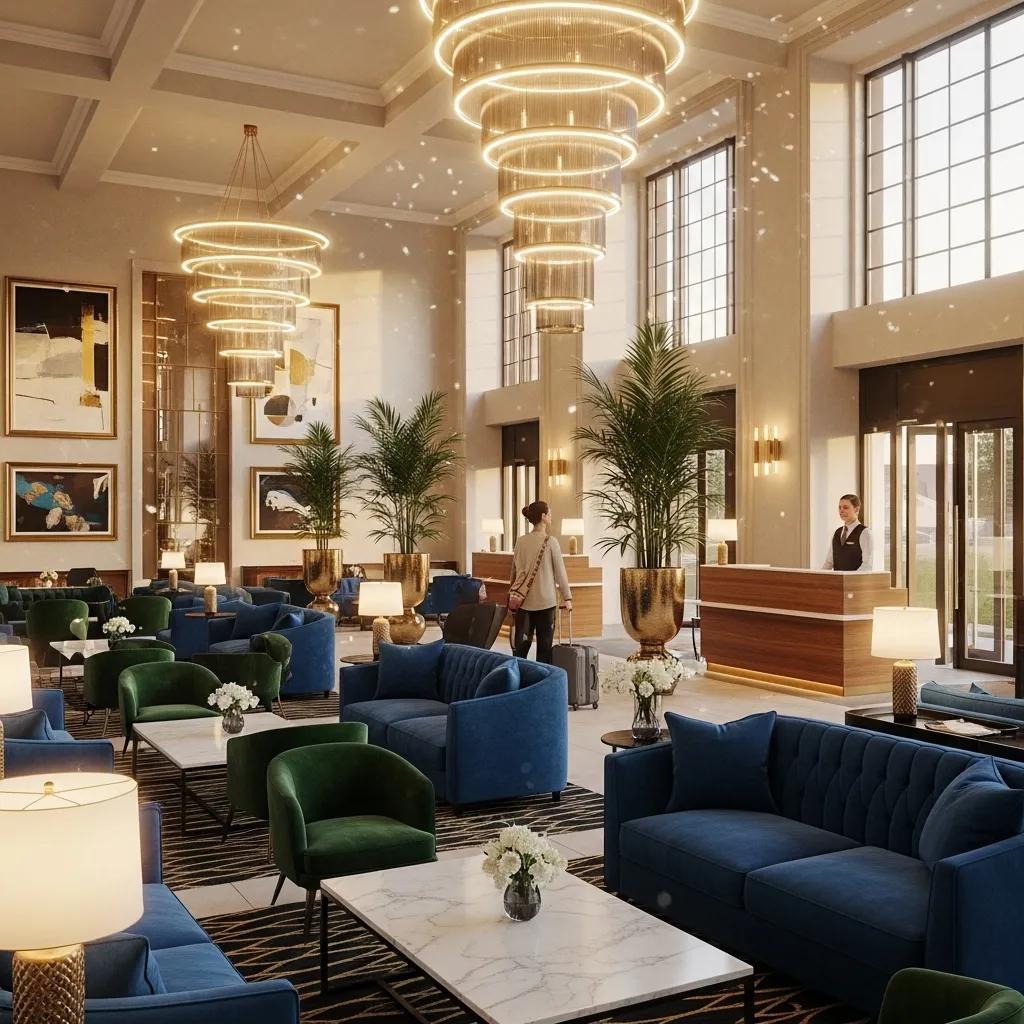
In today’s competitive hospitality market, strong visuals are often the deciding factor for guests. Professional hospitality photographers in Brisbane focus on hotels, restaurants, and Airbnb properties to create images that clearly communicate their atmosphere, quality, and unique selling points. This article explains why great imagery matters, how it lifts marketing performance, and which services Brisbane photographers offer to help properties book more guests.
High-quality photography builds trust and tells a property’s story the moment a potential guest sees it online. With many booking decisions starting on a screen, image quality directly affects perceptions and conversions. Below, we outline the benefits of professional photography for hospitality businesses, the typical services available in Brisbane, and how those services can be tailored to your needs.
Professional hospitality photography helps properties stand out. Experienced photographers know how to capture ambience, highlight key features and frame shots that appeal to your ideal guests. The result is imagery that looks polished, trustworthy and on-brand—exactly what travellers expect when choosing where to stay or dine.
Investing in expert photography often leads to more bookings and higher engagement. A skilled photographer will accentuate what makes your property special, using composition and lighting to influence how viewers feel—an important advantage when potential guests are comparing options.
Research shows that well-composed photos shape guest perception and play a measurable role in online booking decisions for hotels.
Hotel Photography: Boosting Online Bookings
Photographs help customers understand product details and form impressions that influence purchase decisions. For hotels, digital photos are a key part of the booking journey. This study identifies the photo characteristics that create positive guest perceptions and can drive online bookings, and offers practical recommendations for hoteliers to produce “selling” images that increase reservations.
The effects of the aesthetics and composition of hotels' digital photo images on online booking decisions, P Cuesta-Valiño, 2023
Great hospitality photography lifts marketing by improving visual appeal and encouraging engagement. Strong images spark an emotional response, help viewers imagine themselves at the property, and make your brand positioning clear. That emotional connection often results in higher click-throughs and conversions.
Professional photos are versatile marketing tools—use them on websites, social channels, listing platforms and print materials to keep a consistent, attractive brand presence. By showcasing a property’s best angles and experiences, photography increases the chances that browsers become guests.
Beyond individual images, a thoughtfully organised photo library supports multiple campaigns. For example, hero images work on landing pages, detail shots fit social posts and lifestyle frames support email newsletters. Photographers often deliver a set of variations tailored to these channels so assets are immediately publishable without time-consuming edits.
Working with a photographer who understands platform requirements — aspect ratios for social feeds, thumbnail crops for listing services, and image weight for web performance — ensures your visuals load quickly and display well on mobile and desktop. That technical attention complements creative quality and helps protect conversion rates across devices.
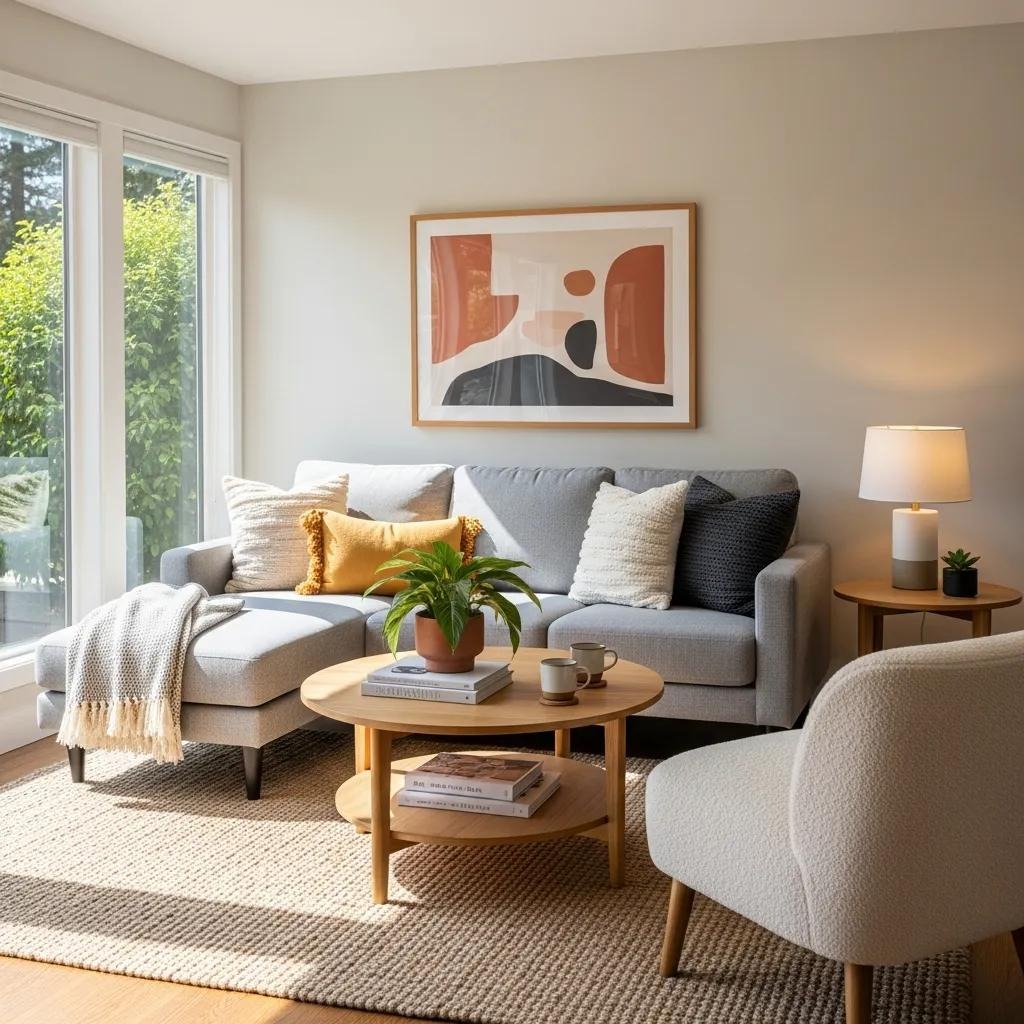
For Airbnb hosts, first impressions are everything. Professional photos make listings look more inviting and trustworthy, highlight unique features and often lead to more clicks and bookings. Clear, well-lit images help guests visualise their stay and feel confident in their choice.
Quality photography also boosts perceived value. When photos are thoughtfully composed and edited, guests assume the space is cared for—this can translate into higher booking rates, better reviews and stronger repeat business.
Hosts should think of their listing photos as a curated visitor experience. Sequence images so the main cover photo highlights the most distinctive or inviting part of the space, then follow with shots that progressively reveal layout, amenities and small comforts such as coffee setups, workspace areas or outdoor views. A logical, storytelling order reduces bounce rates and helps potential guests quickly understand whether the property meets their needs.
Good photography also clarifies expectations. Accurate colour, uncluttered frames and true-to-life staging reduce the risk of surprise or disappointment on arrival. When guests’ expectations align with reality, host ratings and review text tend to reflect that positive match—so investing in professional imagery is both a marketing and a guest-satisfaction strategy.
Brisbane photographers offer a range of hotel services designed for different needs, such as:
These services are commonly customised so the final images reflect your brand, audience and marketing goals.
Typical deliverables are often described during a pre-shoot consultation. Photographers commonly list final image counts, provide both web-optimized and high-resolution files, and offer optional extras such as formatted crops for social, short promotional videos, or drone stills. Clarify licensing and usage rights before booking so you know how images can be used across paid and organic channels.
Many photographers also provide simple asset organisation — folders grouped by room or theme, naming conventions for ease of publishing, and basic metadata to support SEO and internal asset management. These small process details save marketing teams time and reduce the need for repeat shoots.
Photographers use natural light, considered staging and professional gear to present interiors and exteriors at their best. Attention to angles, composition and small styling details ensures spaces feel inviting and true to life. The aim is to create images that communicate atmosphere and layout while remaining accurate to what guests will experience.
Advanced techniques—such as HDR blending, careful color correction and precise framing—help produce consistent, high-quality images that suit both digital and print use.
On the practical side, hotels often benefit from a shot list created in collaboration with the photographer. A clear list ensures essential areas are covered—reception, typical room types, accessible rooms, dining spaces, and signature views—so operators receive a usable library that supports booking pages, press kits and seasonal promotions.
Commercial hospitality photography typically includes several distinguishing elements:
Together, these features make photography a strategic marketing asset rather than just pretty pictures.
In addition to the core photography, many commercial shoots include basic retouching to remove temporary visual distractions, and optional advanced compositing for views or nighttime exterior blends. Ask about colour profiles and file formats (for example, sRGB for web and broader profiles for print) to ensure images look consistent across use cases.
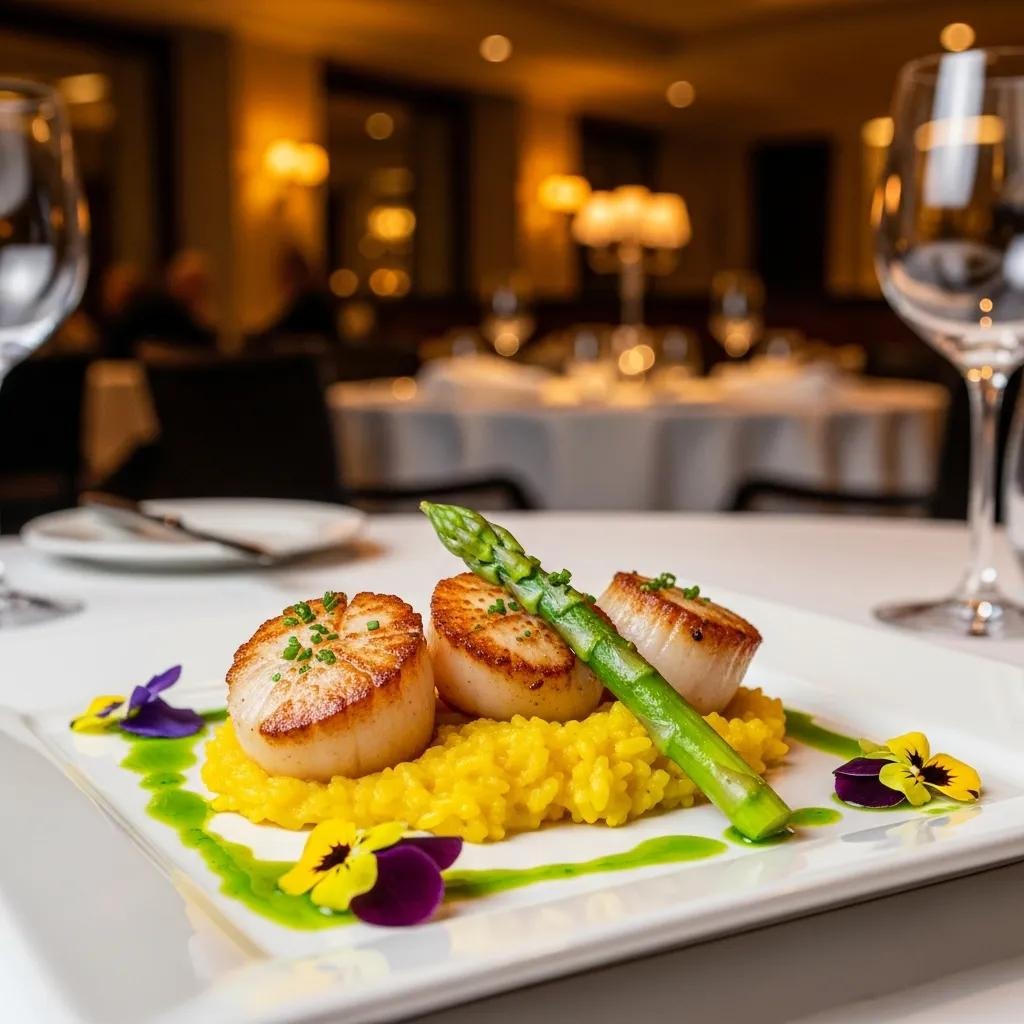
Food photography drives engagement by highlighting the look and texture of dishes in ways that stimulate appetite and curiosity. Well-shot images perform strongly on menus, websites and social media, turning casual viewers into diners.
Shareable, attractive food photos increase visibility online and can bring new guests through the door, while also encouraging repeat visits from those who liked what they saw.
Practical considerations for restaurants include planning for timing — some dishes look best immediately after plating, while others can be photographed with staging to maintain texture. Discuss with your photographer whether shots should be captured during service hours to reflect real plating or in a controlled prep session that allows for multiple angles and lighting setups. Both approaches can be useful: live-service images convey authenticity, while staged sessions produce consistently polished marketing assets.
Food styling photography is the craft of arranging dishes and props so the final images look irresistible. In an era where diners discover restaurants through social media, investing in food styling ensures your dishes are presented in their best light and communicate the chef’s intent.
Research into restaurant marketing underscores the growing importance of visual appeal and food styling for influencing customer choices.
Restaurant Photography: Marketing & Consumer Choice
Food photography and styling are increasingly important as restaurants rely more on websites and social media for promotion. High-quality images make a lasting impression and can affect consumer choice beyond taste alone. This research used interviews with food stylists and photographers, along with restaurant surveys, to show that photography and styling are vital parts of a restaurant’s marketing strategy and that professional support is often necessary.
Effectiveness of food photography and food styling as a marketing strategy, 2022
In Brisbane, investing in food styling and professional photography helps restaurants stay competitive by improving online appeal and customer engagement.
Professional food images boost sales by creating desire and building trust. Mouth-watering photos attract attention, encourage shares and make menu items more compelling. Over time, this increased visibility and perceived quality can translate into more covers and higher average checks.
Highly shareable visuals also extend a restaurant’s reach on social platforms, bringing in new diners and strengthening loyalty among returning customers.
Restaurants that prioritise image variety—close-up ingredient shots, plated compositions, behind-the-scenes preparation and candid service moments—create a fuller narrative that appeals to different audiences. Menu pages benefit from clean, consistent photography, while social channels perform well with more candid or seasonal imagery that invites immediate engagement.
Airbnb photography services deliver clear advantages: better first impressions, more accurate guest expectations, and listings that stand out in search results. Professional photos help guests imagine their stay and can lead to higher booking rates and stronger reviews.
Consistent, well-crafted imagery also supports a host’s broader marketing strategy—whether that means a unified look across platforms or professional assets for paid advertising.
Many hosts see value in including a mix of wide-angle room shots, detail images that show amenities, and lifestyle frames that suggest how the space can be used (working, relaxing, dining). Where applicable, outdoor and neighbourhood images provide context to help guests evaluate the location and walkability.
High-quality photos increase the likelihood of bookings by presenting the space honestly and attractively. When listings include carefully composed, well-lit images, guests feel more confident booking, reducing hesitation and boosting conversion.
Professional photography sets listings apart from competitors and clearly highlights amenities and layout, helping attract the right guests.
Consider pairing photography with concise captions or brief on-image notes for essential features (for example, "king bed," "private patio" or "fast Wi‑Fi") on platform galleries that allow it. Clear visual information simplifies decisions and reduces the number of follow-up questions from potential guests.
Typical Airbnb packages in Brisbane usually include a mix of the following:
Packages can be tailored so hosts get the specific assets they need to attract bookings.
When discussing packages, clarify turnaround times for edits, what format images will be delivered in, and whether minor re-touches are included in the base fee. You may also ask about virtual staging options if you plan to market an unfurnished or newly renovated space.
Commercial hospitality photographers specialise in the hospitality sector: they focus on storytelling, guest expectations and the technical skills to create images that perform across marketing channels. Their approach combines aesthetic judgment with an understanding of what drives bookings.
They also bring specialised equipment and workflows—lighting techniques, compositing and color management—that produce consistent, brand-aligned results.
Commercial photographers frequently work with hotel marketing teams, restaurant owners and property managers to create shot lists that align with specific commercial needs, such as booking pages, seasonal promotions and press materials. This collaboration reduces wasted time on shoot days and increases the reuse potential of images across campaigns.
Common specialised techniques include:
The strategic use of visual tools, such as drone footage, is increasingly recognised for its ability to build emotional connections and drive demand in hotel marketing.
Visual Content for Hospitality Marketing & Engagement
Digital technologies and changing consumer behaviors are increasing the importance of visual content in hospitality. Visual assets—including drone footage—help create emotional connections at the discovery stage and can influence potential guests’ behaviour. This study assesses how drone-created visual content affects consumer responses and its effectiveness as a tool to drive demand and engagement.
The impact of visual content from drones on the behavior of potential customers in the field of hotel marketing, 2025
These techniques strengthen a property’s visual story and enhance marketing effectiveness across platforms.
Other specialised offerings can include tethered shooting for immediate on-set review, multi-exposure HDR for high dynamic range scenes, and careful color profiling to ensure brand consistency. These workflow choices have practical benefits: faster approvals, fewer on-location reshoots and images that require less corrective work in post-production.
Photographers tailor services by learning each client’s brand, audience and marketing goals. That might mean focusing on hotel room layouts, plated dishes for restaurants, or lifestyle shots for Airbnb listings. Pre-shoot consultations help ensure the final images serve the client’s promotional plan.
Personalised approaches—styling guidance, shoot schedules timed for ideal light and bespoke deliverables—help produce images that perform where it matters most.
Good photographers also advise on practical shoot-day logistics: when to block public areas, how to prepare rooms for quick turnover between shots, and whether to stage certain amenities to reflect typical guest use. These operational details keep shoots efficient and minimise disruption to running businesses.
Pricing varies by scope, shoot duration and photographer experience. Standard options usually include:
Most photographers offer custom quotes so clients only pay for the services they need.
When evaluating proposals, compare what is included: number of final images, degree of retouching, delivery formats, usage rights, travel fees and any optional extras. Clear deliverables help you compare offers transparently and avoid surprise costs after the shoot.
Pricing differences are driven by factors like property size, required deliverables and the level of staging or post-processing needed. Hotels often need broader coverage, restaurants may prioritise food and atmosphere shots, and Airbnb listings typically focus on efficient, listing-ready images. Trends and demand for certain services can also affect rates.
Knowing these variables helps businesses choose the right package for their goals and budget.
Yes—many photographers build custom packages to match client goals. Options typically include:
Customization ensures clients get the exact assets they need to drive bookings.
Custom packages can also include structured delivery schedules for staggered marketing launches, or recurring shoots for seasonal refreshes. Recurring arrangements help maintain a fresh visual presence without the need to renegotiate every shoot.
Client feedback commonly highlights professionalism, improved engagement and a noticeable lift in bookings after updating imagery. Many businesses report stronger online performance and better guest responses once they present a cohesive, high-quality visual identity.
Typical themes from testimonials include:
These results illustrate how well-executed photography can support broader marketing and revenue goals.
Examples from Brisbane include hotels that reported significant booking increases after refreshing their images and restaurants that saw higher foot traffic after running photo-driven campaigns. These case studies show concrete returns from investing in professional visuals.
They demonstrate that targeted photography—paired with the right distribution strategy—can produce measurable business outcomes.
Testimonials often emphasise a photographer’s creativity, responsiveness and attention to detail. Clients note how the final images captured their property’s character and contributed to higher bookings or greater visibility. Positive reviews help build trust with prospective clients and validate the value of professional photography.
When reviewing testimonials, look for examples that align with your objectives: a hotel case that improved direct bookings, a restaurant example that lifted reservations for a new menu, or an Airbnb host who increased occupancy. These parallels give a clearer expectation of likely outcomes from similar investments.
Prospective clients often ask about turnaround times, how to prepare for a shoot and what to expect in post-processing. Clear answers help set expectations and ensure a smooth, effective partnership.
Addressing these topics up front helps clients plan marketing launches and manage operational timing.
Turnaround depends on the shoot size and editing required. Small shoots typically deliver edited images within 1–2 weeks; larger projects may take longer. Discuss timelines with your photographer when booking so you can coordinate marketing and publishing schedules.
Photographers often offer a delivery schedule that includes preview proofs for quick approvals followed by final colour-graded files. If you have a strict launch date, confirm a cut-off for client feedback to avoid delays in the final delivery.
To get the best results, consider these steps:
Good preparation leads to faster shoots and stronger final images.
Additional practical tips include preparing a simple on-site contact list (who will approve shots during the session), marking must-have shots on the room doors or an easy-to-read checklist, and confirming access times for areas that may be used by guests or staff. These steps reduce friction on shoot days and allow the photographer to focus on creative execution.
For more information on how to enhance your hospitality business with professional photography, visit andphotography.au.
Look for a portfolio that matches your style, experience with hotels/restaurants/Airbnb, and strong client reviews. Ensure the photographer communicates clearly about deliverables, timelines and usage rights. A good fit will understand your brand and deliver images that support your marketing goals.
Quality images set accurate expectations and can improve guest satisfaction. When guests arrive and find the space matches what they saw online, they’re more likely to leave positive reviews. Conversely, poor imagery can lead to disappointment and negative feedback.
Use high-quality, consistent images that reflect your brand. Pair posts with engaging captions, relevant hashtags and geotags to boost discoverability. Maintain a regular posting schedule and encourage guests to share their own photos to build community and reach.
High resolution matters. Clear, detailed images look professional across websites, social media and print. Low-resolution photos can appear pixelated and undermine perceived quality—so always request high-resolution master files and optimized versions for web use.
Lighting defines mood. Natural light often creates warm, welcoming images, while controlled studio or supplemental lighting can highlight details and texture. Skilled photographers use lighting to show spaces accurately and to evoke the intended atmosphere.
Absolutely. Consistent, professionally produced images communicate your brand’s personality and standards. When used across channels, photography reinforces brand recognition, builds trust and supports a clear visual narrative that attracts the right guests.